01. FTC: More Than Just a Robotics Competition
FTC (FIRST Tech Challenge) is a place where students turn ideas into reality, passion into action.
It is one of the FIRST programs and is the worlds largest robotics competitions for middle schoolers. It opens to students in grades 7–12, with teams of up to 15 members that needs to handle the whole process—from design and building to programming and outreach.
This isn’t just about scores. FTC helps students to develop these skills as well: STEM & Building, engineering thinking, teamwork and leadership, social responsibility and communication.
Each season brings a fresh game theme and a new rule set. Teams tackle challenges under a shared framework, and there is no “right answer.” It’s all about trial, error, and breakthroughs.
02. 2025 Season Theme: DECODE
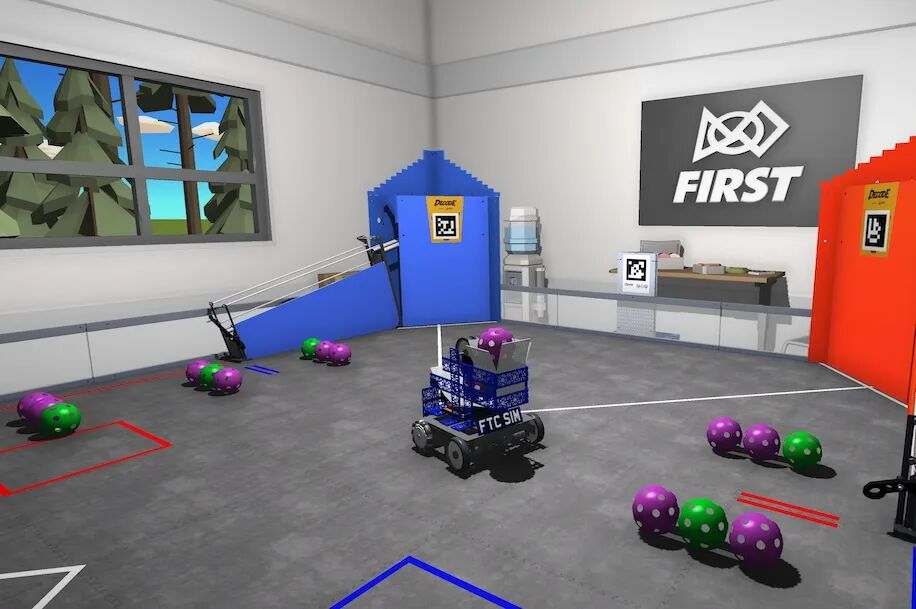
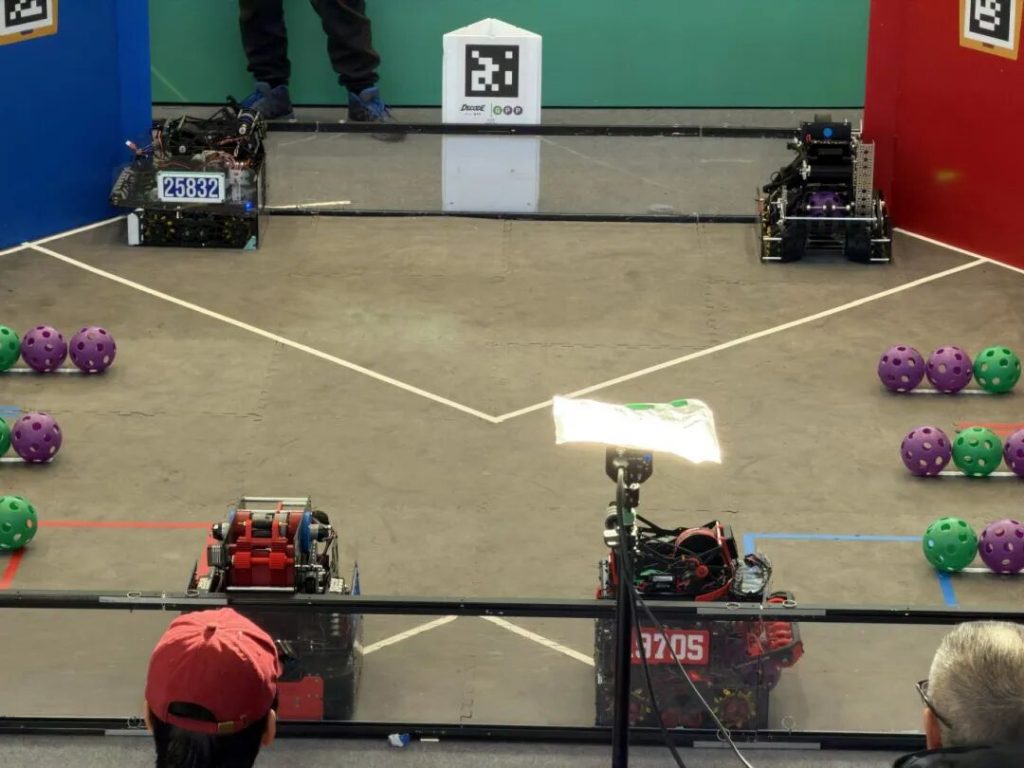
The 2025 challenge is DECODE. Pairs of teams form alliances to take on another alliance. Robots must tackle a string of high-intensity tasks, including:
– Collecting and placing colored balls (the“artifacts”)
– Building patterns from randomly generated symbol codes
– Running fully autonomous in the first 30 seconds (Autonomous Period)
– Entering Teleop, where speed, accuracy, and strategy drive the score
This requires high program stability, mechanical reliability, and the drivers techniques. A small slip in any area can flip the whole outcome.
03. Ripples: From Idea to Competition
“Ripples”embodies the belief that a small effort can ripple outward, making a bigger impact over time. With this backdrop, the Shenzhen College of International Education robotics team, FTC 25832 Ripples, kicked off its season journey.
From early talks and structural redesigns to rewrites of code and fine-tuning, the team faced countless times of challenges. Over several months, the team not only refined the robot, but also sharpened autonomous paths and parameters, built a solid engineering notebook system, and did outreach to share the FTC spirit with more people. These off-the-field moves are actually some of the most essential parts of FTC.
04. Outreach and Impact: Sustaining the STEM Spirit
While dedicated to robotics design and competition achievements, we firmly believe FTC’s significance extends beyond the competition arena. Throughout the season, our Outreach Team organized a series of ongoing outreach activities to promote STEM education and spread the FIRST spirit, enabling more people to engage with engineering, understand technology, and participate in innovation.
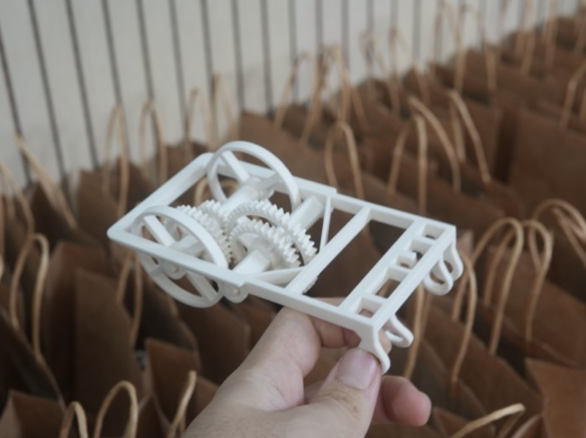
Partnering with school teaching support clubs, we co-developed STEM online courses to teach elementary students about energy conversion and its real-world applications. In the program, we designed a gear-powered car using PETG material, demonstrating how elastic potential energy converts to kinetic energy. Through hands-on construction, we wish students could spark their interest on the field.
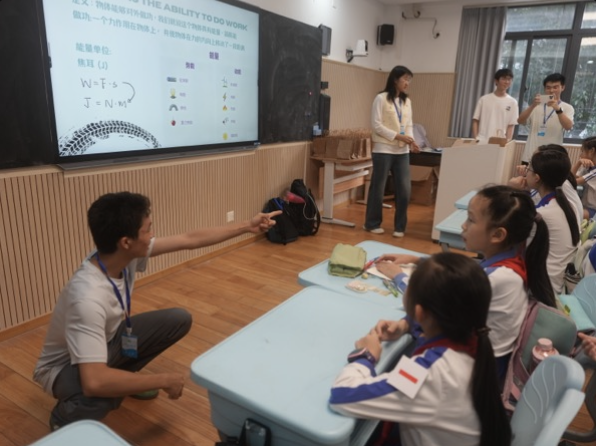
At the start of the academic year, we partnered with 10 FTC teams to distribute over 500 teaching kits. Additionally, we developed a teaching robotic arm using the Hugging Face LeRobot framework and secured funding from Curio Create, a U.S.-based student-led NGO, enabling high schoolers to access cutting-edge engineering and computer technologies at an early stage.
This season, over 14 companies have provided us with sponsorship and technical support. It not only facilitates the team’s robot development but also enables us to have a closer understanding to engineering itself.
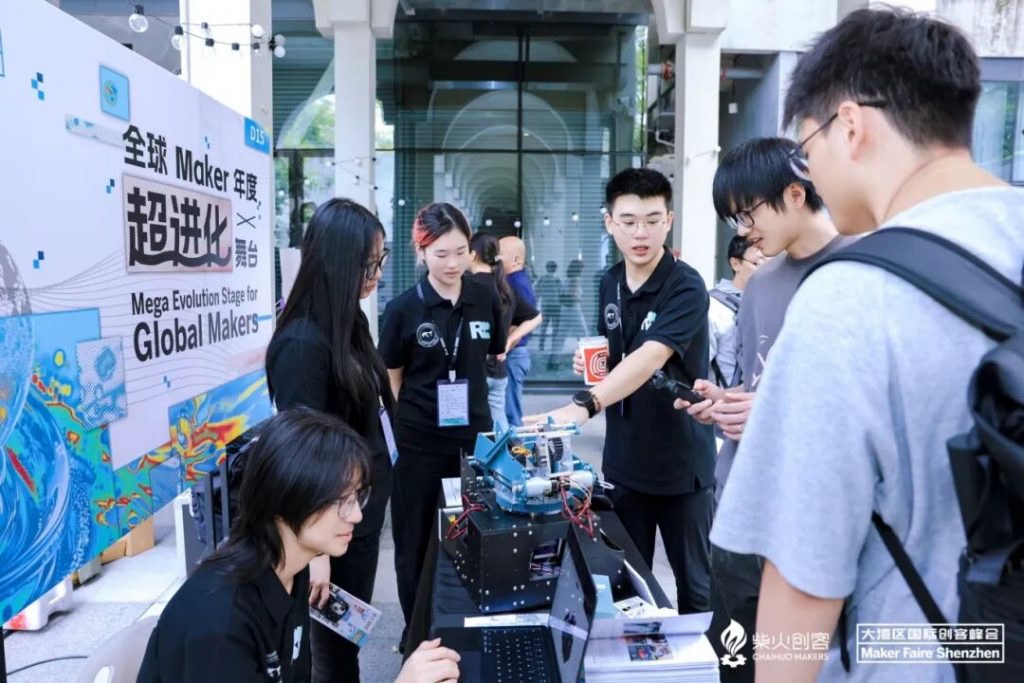
We organized communication fairs with over 6 FTC teams nationwide, conducting in-depth discussions on core topics including hardware design, software programming, and both teams’ outreach progress, fostering mutual learning and growth through the meetings.
The outreach programs have enabled Ripples’ efforts to go far beyond a single robot, spreading like ripples through a wider community.
05. Beijing Qualifier 2: A Sleepless Night and an Early Start
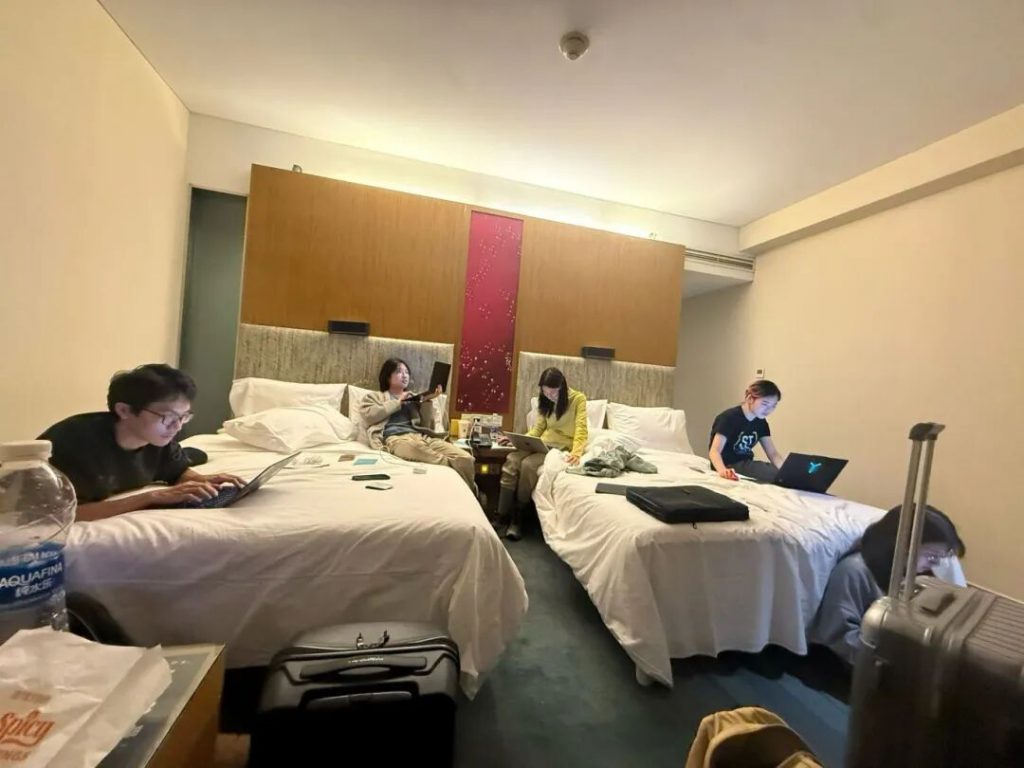
The night before the event, we nearly had a sleep.
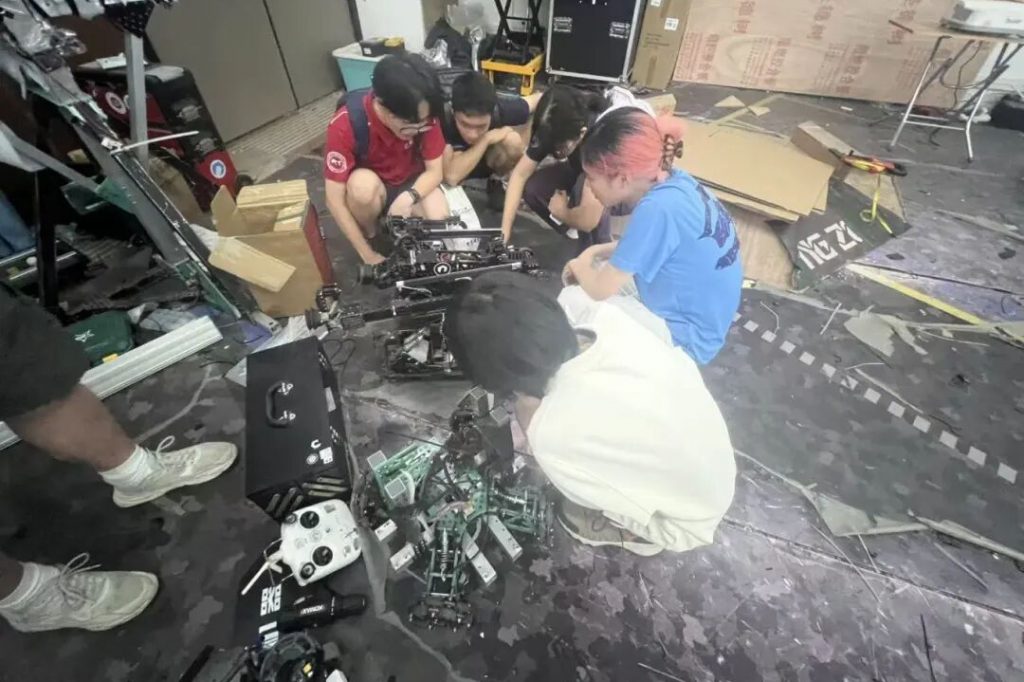
Some of the teammates worked on final system Debugs to ensure the robot’s frame and wiring were stabilized. Others stayed at the hotel, polishing the engineering notebook and preparing for the interview on the next day.
When the last page of the notebook was ready, it was 3:00 a.m. After a quick rest, the team met up at 7:00 a.m. and headed to the venue.
06. Day One: From Slip to Reversal
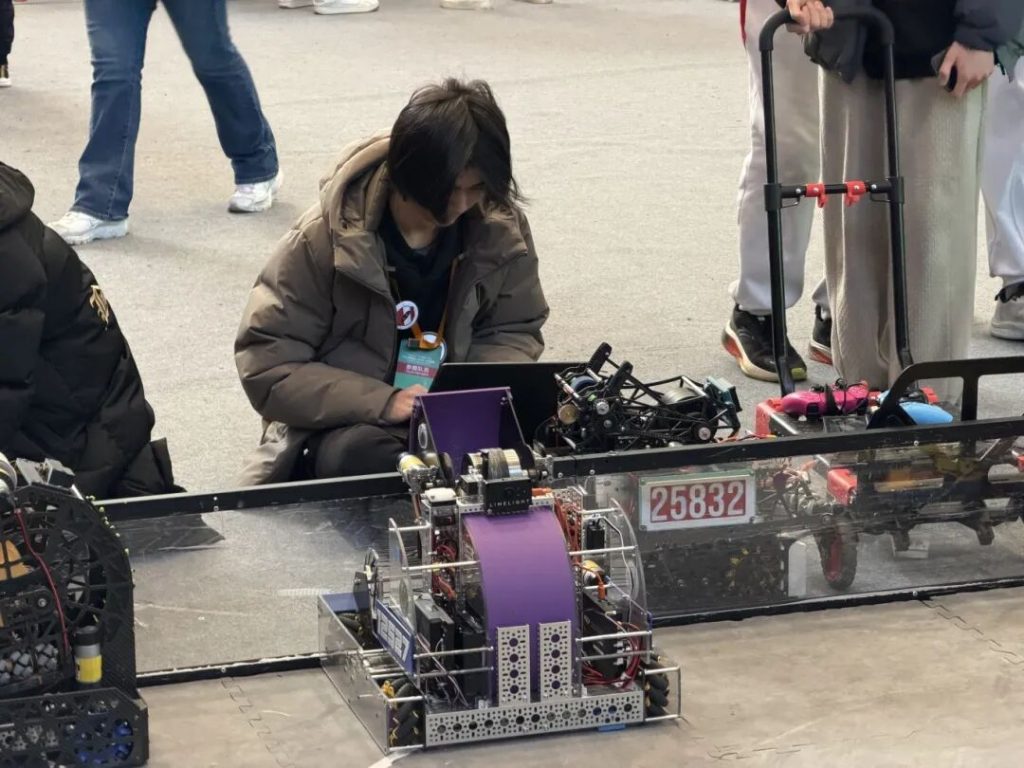
Every team was working for the qualify with clanging of equipments around.
The captain mapped out our roles: two members sought alliance partners, two handled robot inspection and battery charging, two prepared the printed notebook and interview materials, and the rest prepare their scripts.
In the auto stage, the robot faltered, putting us at a disadvantage early on. And the only thing we could do was to trust the driver could turn the situation in Teleop stage. With time running out, the team rush to the practice field, checking the robot piece by piece, and found out that a mismatch occurred in a parameter set that threw off the autonomous path.
After a quick lunch break, qualification matches began. The autonomous problem wasn’t fully solved. Thankfully, the driver kept the score close. In the end, the referee awarded us a narrow win, which encouraged us a lot.
During the judge interview, our team clearly explained our progress and the innovations in programming and design. The judges nodded along, boosting confidence to push forward.
As the day wore on, performance improved. Core autonomous issues got fixed, wins piled up, and Day One closed with a top spot in the qualifiers.
07. Day Two: Pressure, Breakthroughs, and Elimination Battles
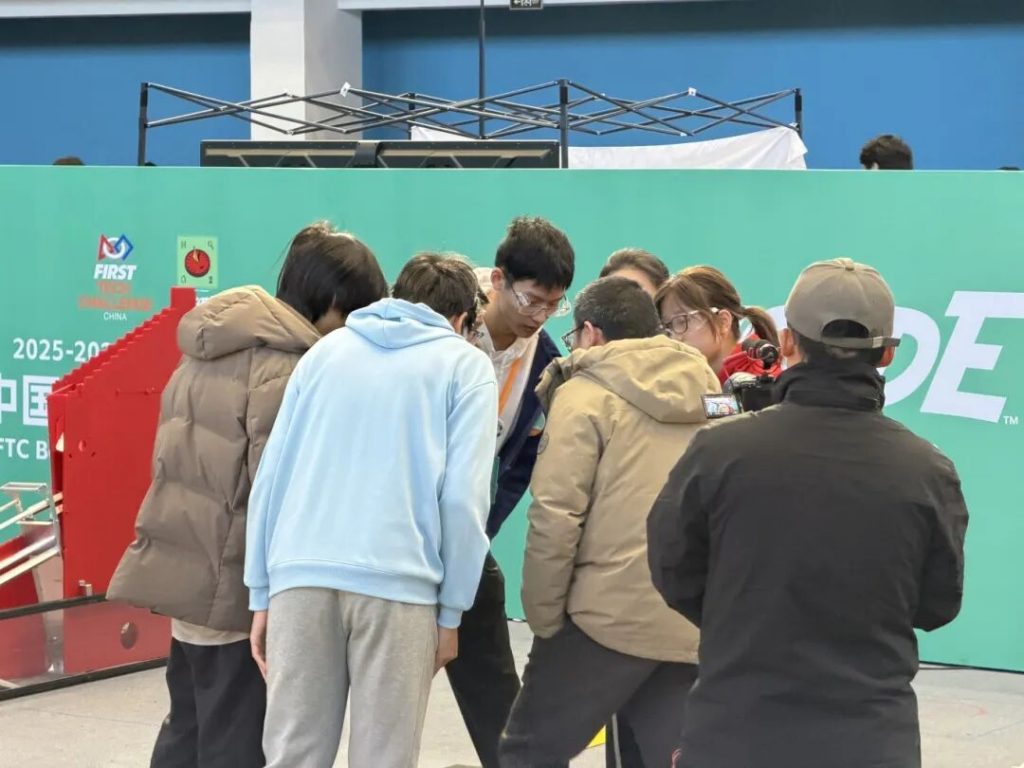
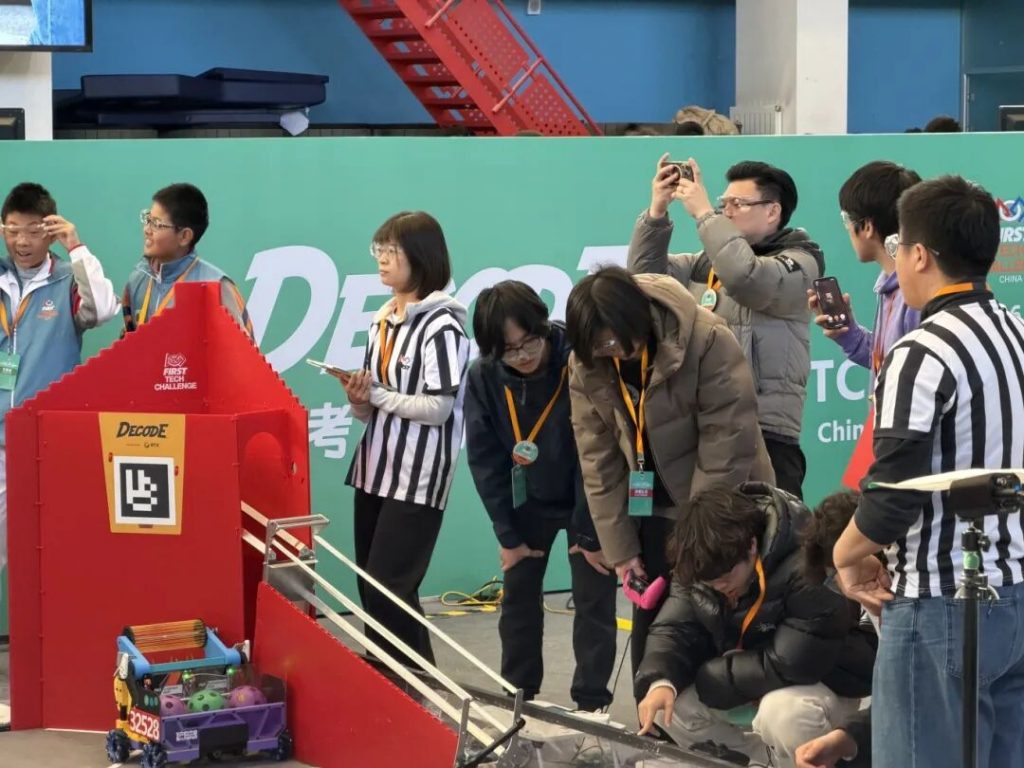
Day Two was for elimination rounds and alliance selections. As alliance captain, the team jumped into practice with their partners and mapped out tactics.
The first elimination match stayed tight through Auto, then opened a small gap. In the last ten seconds, the crowd held its breath as the robot parked and the win sealed.
Next came a clash with a powerhouse team—ranked second overall and fresh off a world-record single-match score. Tension mixed with excitement, and no one backed down.
In that match, another hiccup struck: the shooter kept clipping short of the target, widening the score gap. Despite best efforts, the team lost by eight points.
Back to the practice field, debugging began. After careful checks, a slightly offset in the shooter logic was found and corrected. In the tiebreaker, the team steadied its nerves, stayed coordinated, and eventually pulled ahead to reach the final.
08. A Moment of Honor: When Effort Is Recognized
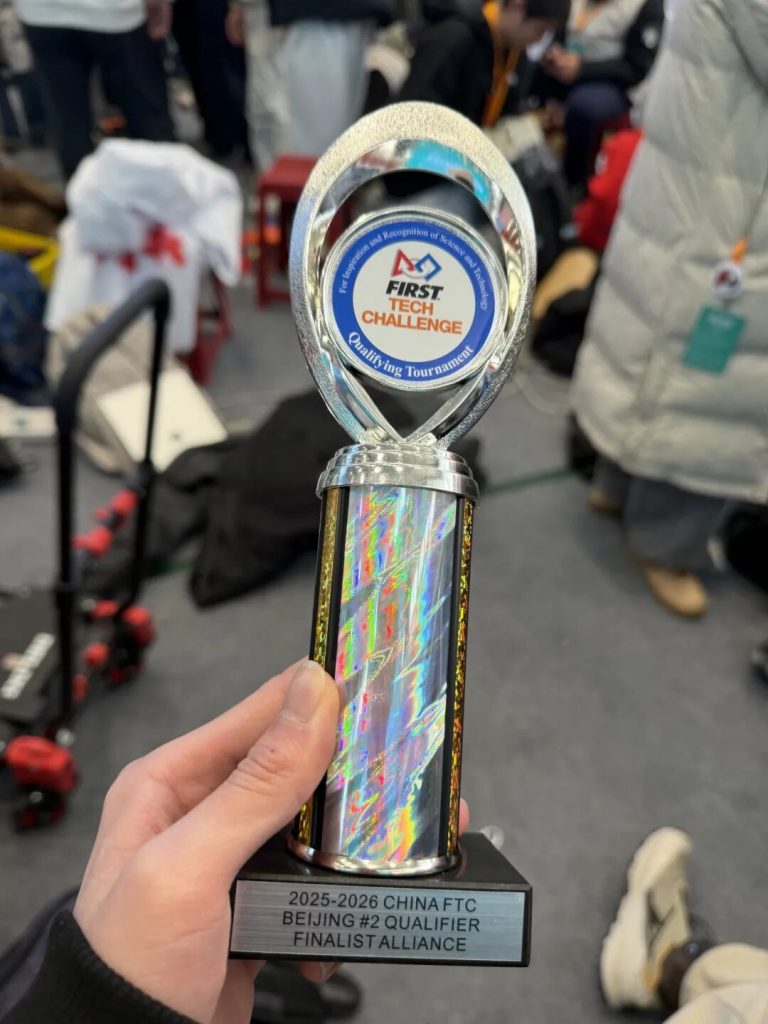
The final match had a voltage issue caused a serious autonomous fault. Despite efforts to recover, the team fell just short and earned Finalist Alliance Captain.
Back in the stands, the team calmly reviewed the match, identified improvements, and waited for the awards. The goal was the Inspire Award, the season’s top honor and a key path to the China Championship. The wait felt endless, but the moment finally arrived.
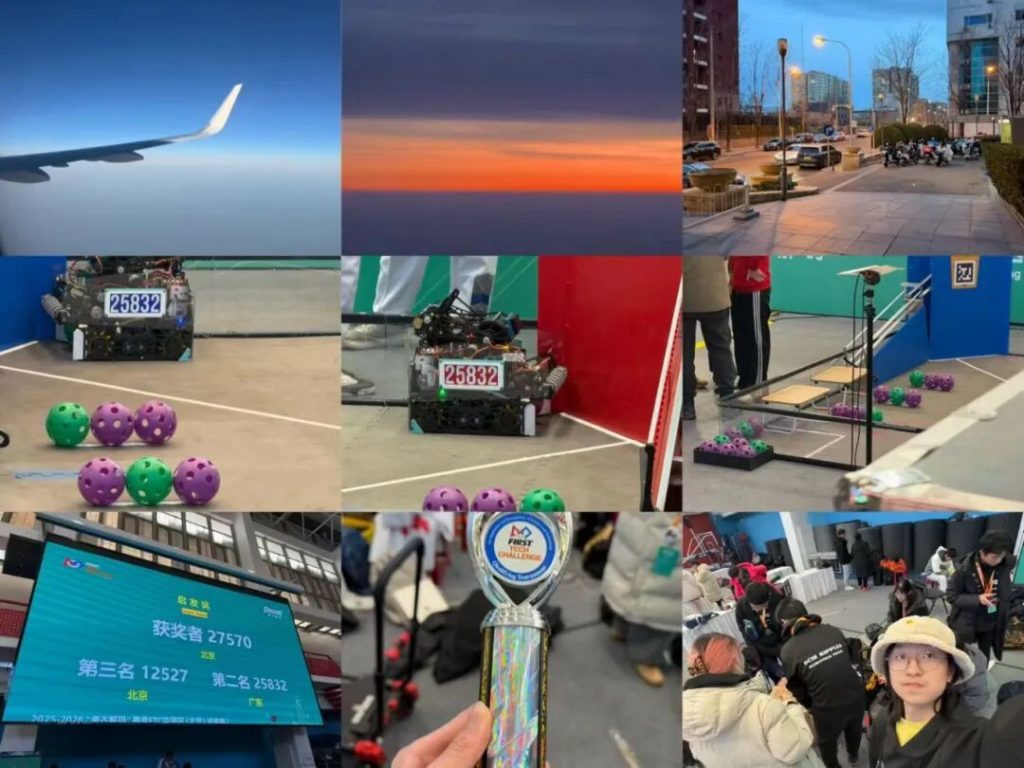
“Inspire Award, Second Place — Team 25832, Ripples!”
The audience erupted in cheers as months of redesigns, fixes, and perseverance paid off.
Conclusion: One Drop of Water Can Create Ripples
Just like the team name suggests, even a small effort can create lasting impact.
Looking ahead, the hope is to stand on the world championship stage and showcase what Chinese teams and SCIE students can do.
Thanks to every sponsor, every teacher for their steady guidance, and every team member for the unwavering dedication. We would like to thank Mr. Lalin, Mr. Lewis McSweeney, Mr. Boris, Ms. Jamie, and Ms. Coline.
If you spot our Xiaohongshu account: SCIE_FTC- Ripples, give us a follow.
We invite more students to join FIRST and keep pushing toward bigger horizons.
- Article / SCIE Robotics Team