I am not sure how many times I have heard, during my teaching career, the following question from my students: “What is the point of learning this?” As a teacher, you must accept these kinds of questions and, as best as you can, attempt to contextualise that very specific problem and explain how it fits into the vast expanse of the universe — or at least into the less expansive realm of the IGCSE and A-Level.
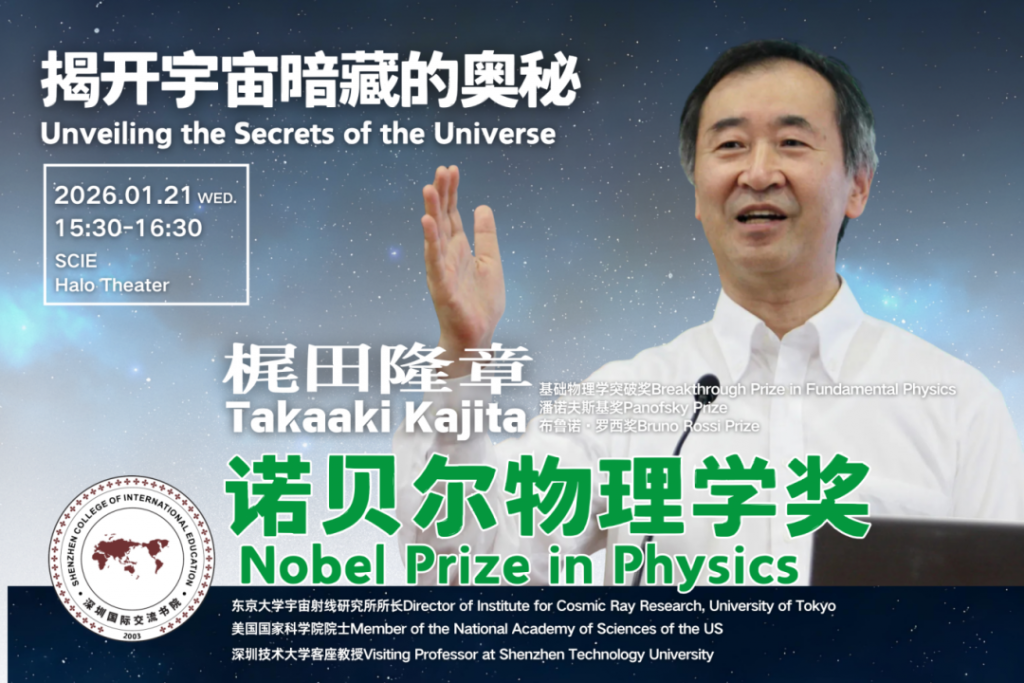
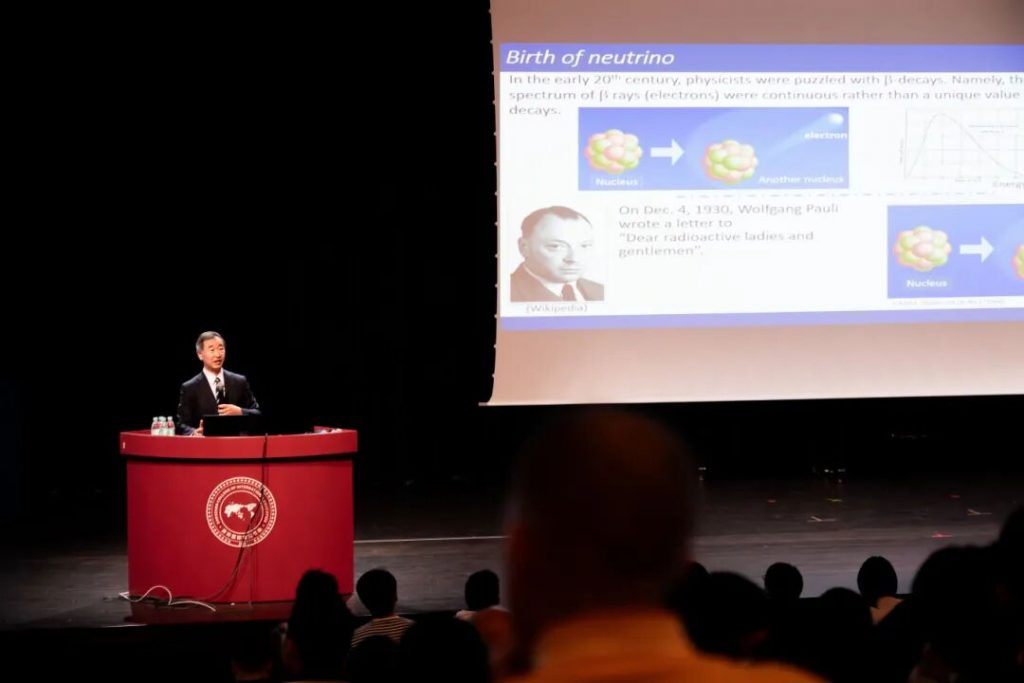
We were humbled by the presence of one of the greatest minds on Earth, Professor Takaaki Kajita from the University of Tokyo, who gave a talk on his research on neutrinos.
Neutrinos are the most abundant particles in the universe that have mass. Billions of them pass through us at any given moment, but they are so small that even an atom is far too large for them to “see”, so they simply continue travelling, barely interacting with any matter they encounter… until they do.
When a neutrino does interact with matter, we can observe the products of that interaction, though not the neutrino itself. To detect only a few such interactions per day, enormous experiments must be built.
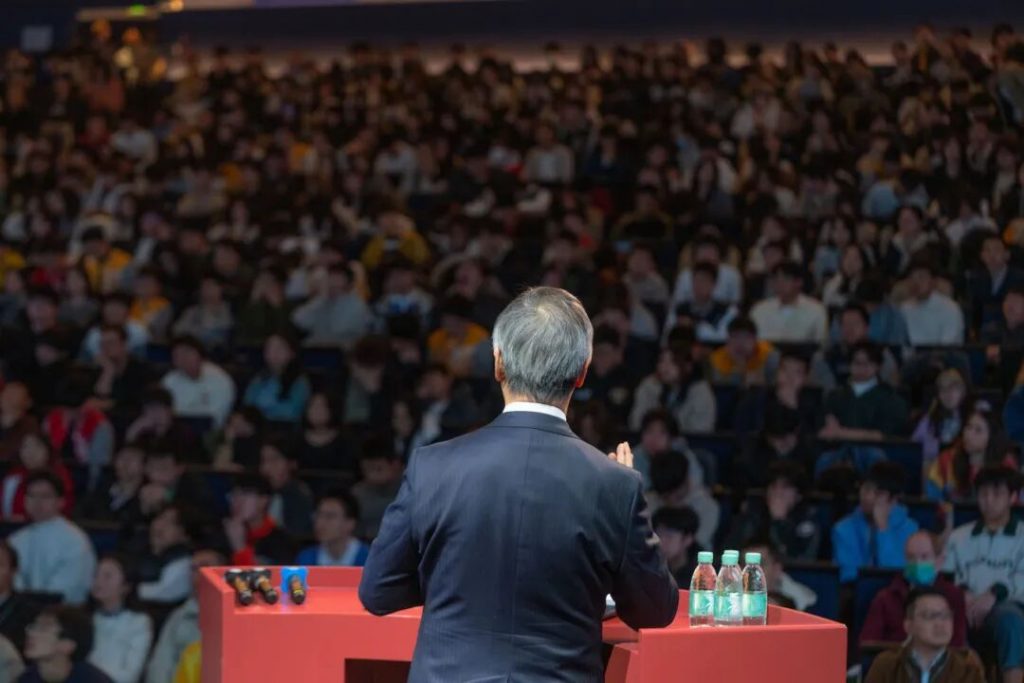
Professor Takaaki Kajita took us through the journey of building these massive experiments: the Kamiokande experiment and its second, larger iteration, the Super-Kamiokande experiment. As he guided us step by step through the process, I could not help but hear comments from students behind me: “We studied this in physics!” The whole concept was familiar to quite a few of the students, who recognised in the lecture ideas they had encountered in their physics lessons at SCIE.
Just as interesting as his lecture was, Professor Takaaki Kajita also briefly gave us an insight into the path he took to reach the apogee of his academic career: how he was once an ordinary student, with ordinary interests, leading an ordinary life.
It was not until the first year of his PhD that he decided to become a career physicist. We often think that whatever we choose at the age of 15 or 16 is what we are going to do for the rest of our lives, but hearing directly from Professor Takaaki Kajita that this is not necessarily the case was truly inspiring. It took him years to carve his path, one that eventually led to winning several prestigious prizes and awards. It also took him years to realise that research was what he wanted to pursue — but once he did, he always gave his best.
Having said that, even though it took him until the first year of his PhD to decide to become a physicist and continue with research, his path was clearly paved with hard work and a willingness to experience new things. I am confident that, by the time he reached that point, he had already studied extensively and reflected deeply enough to know that this was what he wanted to do. That certainty, however, came only after years of effort and difficulty along the way.
In a world where we seek answers quickly and often without much thought, hearing a Nobel Laureate say that the fun lies in the unknown — that the searching itself is the fun — may seem disconnected from the reality of today’s world. Professor Takaaki Kajita showed us that the end goal is a consequence of the journey taken, not the other way around.
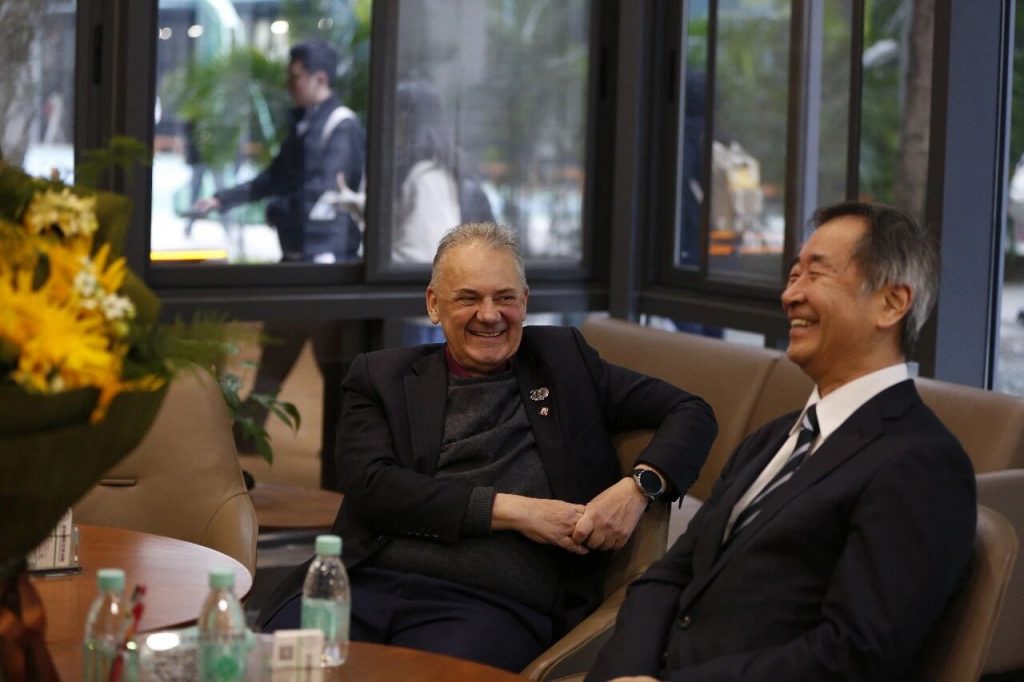
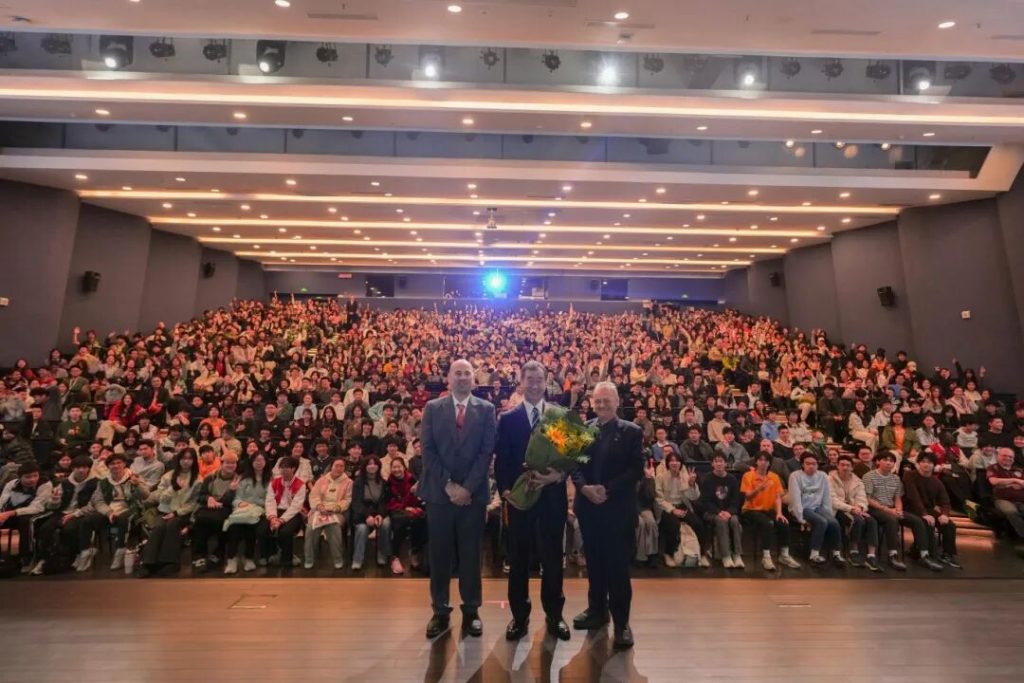
It takes a special kind of person to win the most prestigious awards in the world and still have the courage to say, “I have nothing else to offer the field of neutrino research,” and then move on to a new field.
While at school, if the question “What is the point of learning this?” ever pops into your mind, remember that this knowledge might be precisely what leads you to a Nobel Prize.
- Article / Dr Wagner Nogueira Neto
- Pictures / Vincent Yan, Admissions