About a week after the competition, the school administration contacted me to request that I write this. I was uncertain how it would turn out, but I resolved to do my best.
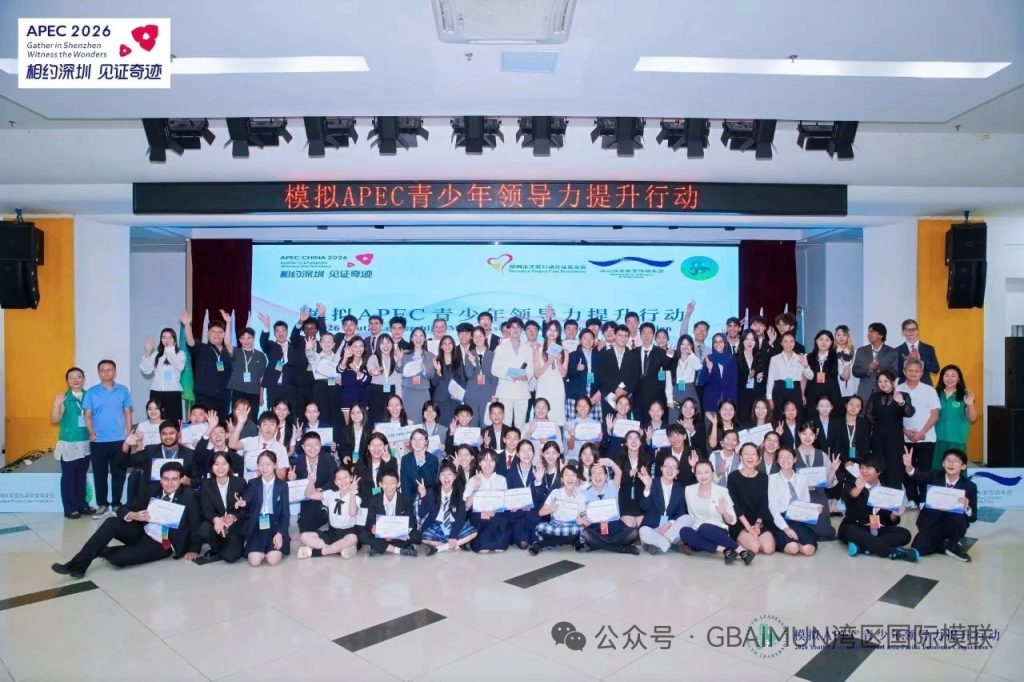
The Model APEC competition was convened on August 21st, exactly one week following the commencement of the new academic year. Prior to presenting my personal experiences of the event, this article would first provide a foundational introduction to the competition for you, my readers. This simulation event is themed around the 33rd APEC Economic Leaders’ Meeting, which is scheduled to be held on November 18–19, 2026 in Shenzhen, China. Similar to how the Model United Nations adopts a conference logistic that simulates the conference procedures of the United Nations, as indicated by its name. I had to participate in the GBAIMUN to qualify for this competition.
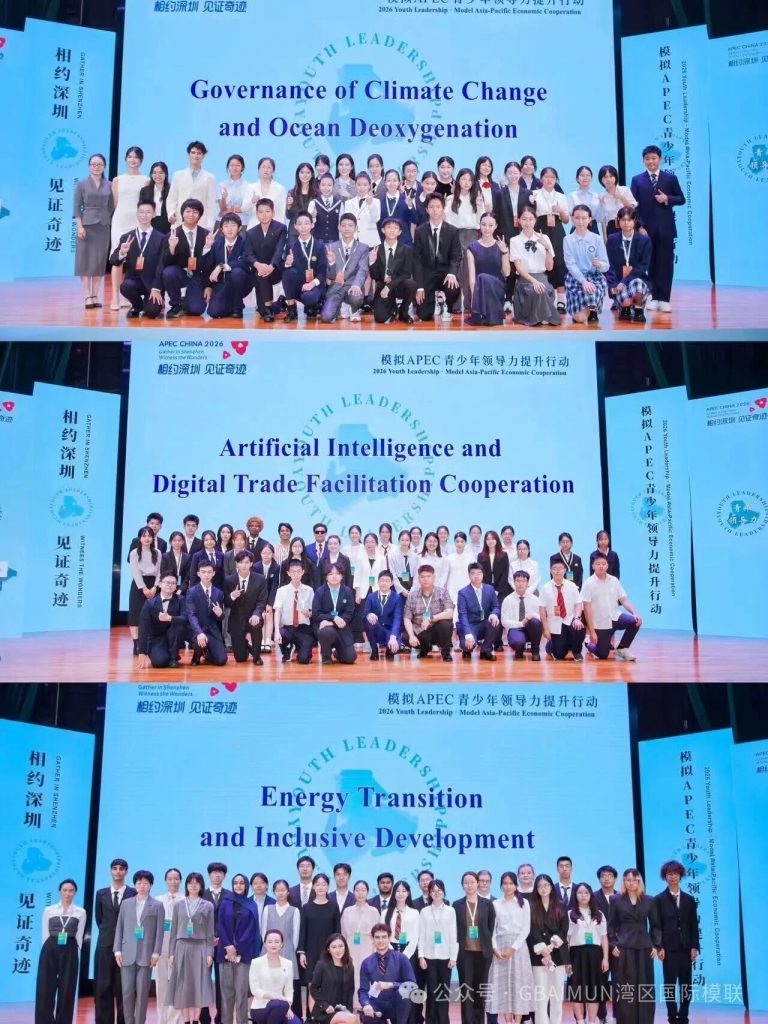
Different from Model United Nations, the discussion of Model APEC centers on a pre-drafted resolution rather than an open thematic debate. The draft resolution corresponding to the conference I participated in focuses on Ocean Deoxygen and the Climate Crisis, which contains 4 sections and 60 clauses in total.
According to the competition rules, each delegation was required to submit no less than 15 amendments to the draft resolution before the official opening of the conference. Specifically, delegations need to identify and revise at least 15 clauses from the 30-page draft resolution that contain logical flaws, or that may generate negative impacts on the interests of the represented country in terms of economic development, political position, international cooperation and policy positioning.
Although this task appears to be highly challenging, it only takes one night, one pen, and a miracle. This miracle can be interpreted as the assistance from a cooperative partner, which is achievable under a double delegation arrangment. Given that a detailed introduction to the thematic background would transform this article into a descriptive informative work, this paper chooses to omit the specialized academic elaboration on this specific topic.
Before I continue with my experience, this section provides an additional practical suggestion for participants of similar conferences, including the widely held Model United Nations conferences. In most cases, blocs are formed prior to the official opening of the conference. While forming an independent bloc is not a mandatory requirement for individual delegates, joining a large-scale, existing bloc is a necessary choice for effective participation. This is because a unified bloc will develop a complete motion agenda for collective discussion, which enables delegates to make sufficient preparation in advance for formal moderated caucuses. It should be noted that delegates are allowed to switch between blocs and communicate with delegates from other blocs during unmoderated caucuses, yet such activities shall only be treated as supplementary alternatives.
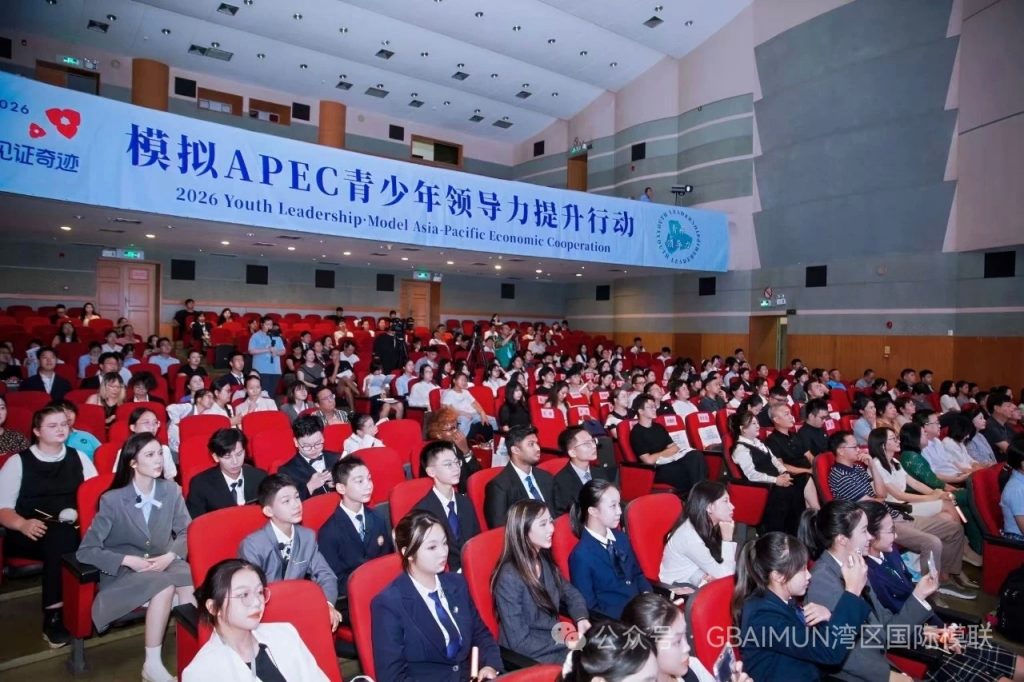
Turning back to the my participation experience, I was assigned to represent Peru, a small coastal country. This country’s status is not as marginalized as that of a micro-populated African country located in the desert region. However, I still hold doubts about the basis for some certain countries’ participation in APEC: for one thing, some countries cannot be strictly categorized as either an Asian country or a Pacific country; for another, some countries’ territory is not close to the ocean, which means it is hardly in a position to participate in cooperative initiatives centered around marine protection.
My represented country, Peru, is a coastal economy. It is neither small enough to be categorized as a micro-economy nor large enough to support any policy capable of adjusting the country’s overall economic structure, which leads to a relatively awkward participation position. Specifically, Peru is generally excluded from most types of relief and aid programs, but it is still obligated to participate in international agreements that require contributions of data and technical support. Against this background, given that the core procedure of the conference is the debate on the draft resolution and its amendments, the lack of participation and ability of Peru can be taken as a key focus of the conference discussion.
For this conference, more than 200 amendments were proposed for the 60 clauses. To compete for the Best Delegate Award, which I ultimately won, it was necessary to participate in the debate of more than 100 of these amendments. To fulfill this task, I coordinated with my co-delegate, a participant with exeptional social skills, and divided the work between us. Given that my co-delegate was still traveling during the preparation period, I completed the majority of the preparatory work in advance. The materials I collated and sorted eventually reached 20,000 words in total, not including the additional 15,000 words focusing on the current situation and response solutions for ocean deoxygenation crisis.
A noteworthy event during the conference debate was that the Chinese delegate raised a direct question to the Japanese delegate. The Chinese delegation noted that Japan is still discharging nuclear-contaminated wastewater into the ocean, and accordingly questioned Japan’s qualification to participate in the discussion of ocean deoxygenation-related issues.
This speech received extensive applause from attendees. In academic model United Nations competitions of this type, this incident also reflects a common structural flaw: some conference topics inherently have mismatches with the current policy positioning of certain member states. Although the Japanese delegation attempted to respond that its participation was oriented toward problem solving rather than confrontation, this statement did not constitute an effective defense against the query.
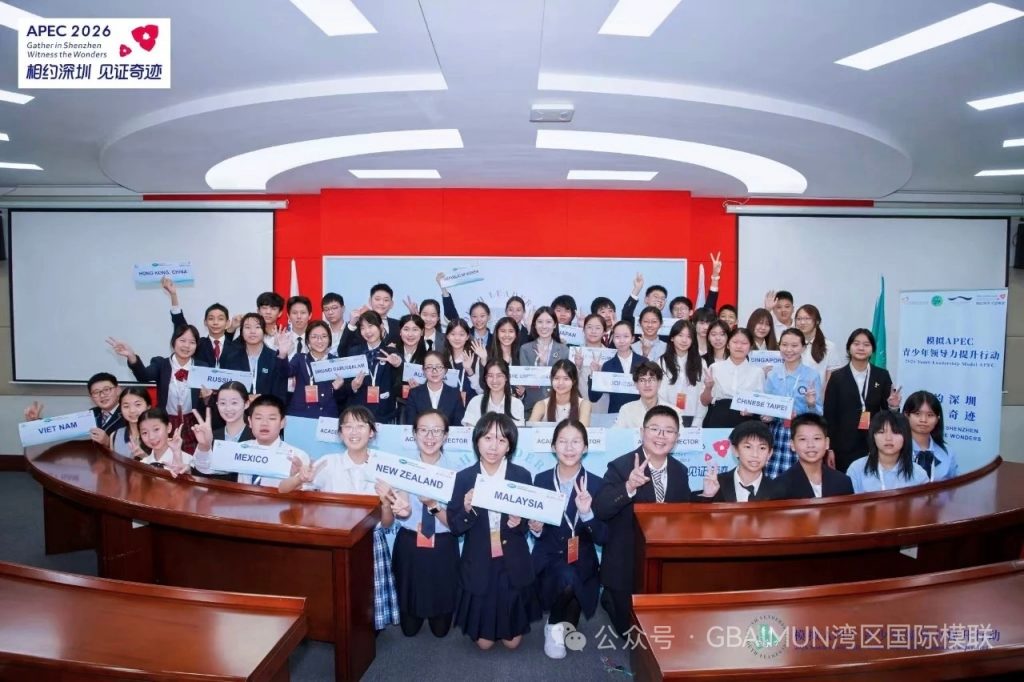
This experience with the Model APEC competition not only familiarized me with the procedures of this type of international conference, but also updated my understanding of the topic of ocean deoxygenation. It enabled me to simulate the role of an official delegate in an important international conference, and give speeches from the perspective of the represented country. This role-playing process assited me in the learning of political knowledge from multiple perspectives. In the pre-conference preparation stage, sorting through information from hundreds of sources also enabled me to obtain knowledge from multiple sources, and further observe how different sources report the same crisis. These differentiated perspectives are an important foundation for the ability of critical thinking.
Furthermore, the skills I have learned when communicating with other delegates means that I can practice negotiating skills. The exchange of positions and interests during the conference requires delegates to fully understand the core demands of all parties while expressing their own position. Reaching a balance between interests of multiple parties cannot be achieved without communication strategies and fair negotiation skills. This experience is far more useful than the theoretical knowledge learned from textbooks, and it also exposes the difference between my current, known knowledge and practical ability. It also deepens my understanding of the urgency of global marine ecological protection, and made me more willing to continue paying attention to related issues and participate in similar practical activities in the future.
I will end this article with a recommendation. To every student who has ever hesitated at the threshold of a Model United Nations or Model APEC conference, wondering whether their voice could possibly matter in a room full of strangers debating resolutions they barely understand, let me offer this: step through that door. The first time you stand to speak, your arguments may falter, others might not agree. But somewhere between the late-night research sessions and the heated discussions, between the awkward attempts at negotiation and the moment your stance gets recognized, something remarkable happens. You begin to think not as a student memorizing facts, but as a delegate representing real people, real coastlines, real futures.
The ocean does not care whether you are from a large economy or a small coastal state. What it needs is people who are willing to learn, to become aware, and to act. The challenges we face today in the real world include topics such as, deoxygenated waters, rising temperatures. And there is the need for 0international cooperation required to address them. This is the reason that such huge coalitions like the UN or the APEC exist. For us, every clause you amend, every position you negotiate, every alliance you build, although is a small act, is a step towards the awareness of a problem or crisis we must face in reality.
So attend similar conferences. Ask questions to both the topics and to yourself. Challenge the flawed clauses. Seek out partners who share your vision and persuade with those who do not. You will make mistakes, and you will learn from them. You will encounter positions you cannot defend, and you will discover the patience and creativity required to learn. And perhaps, in the process, you will find that the skills you develop, which may include critical thinking, negotiation, empathy, resilience, are not merely tools for a competition award, but the very foundations of a life lived in service of something greater than yourself.
- Article / Pascal Shen
- Photos / GBAMUN