Hong Kong’s financial atmosphere is often hidden between trading halls, bank display cases, and the details of the street. It feels less like a fixed label than the rhythm of a city: the numbers moving across trading screens, clouds reflected in glass curtain walls, pedestrians hurrying past fountains, vessels crossing Victoria Harbour, and the quiet ship models and nautical charts displayed in the Maritime Museum. Only after stepping into Central does, one realizes that behind the label of an “international financial center” lies an urban system jointly supported by markets, currency, trade, the port, and history.
This economics trip unfolded around the theme of “Exploring Hong Kong Finance.” We first visited Exchange Square, home to Hong Kong Exchanges and Clearing, observing real-time changes in the financial market before the stock display and the fountain. We then entered the Hong Kong Monetary Authority, where the historical evolution of Hong Kong’s currency helped us understand institutions and trust. At noon, we had lunch at the cafe 8 above the Hong Kong Maritime Museum, looking again at the city’s economy from the edge of Victoria Harbour. In the afternoon, we explored the museum and tried a ship-handling simulator, tracing the roots of Hong Kong’s financial development through the history of shipping.
Reading the Market from the Trading Screen
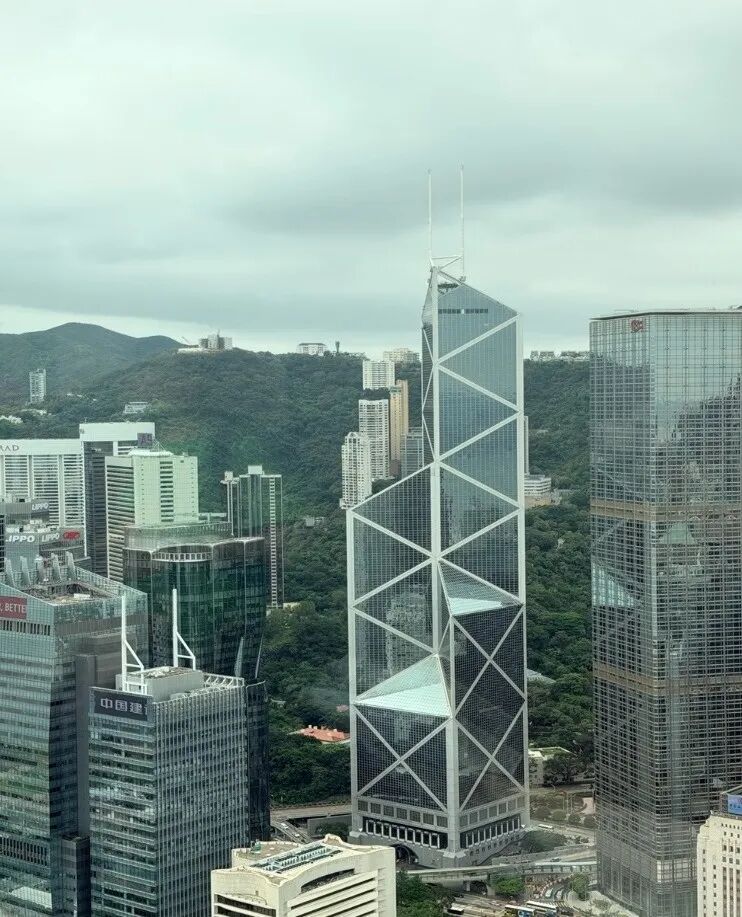
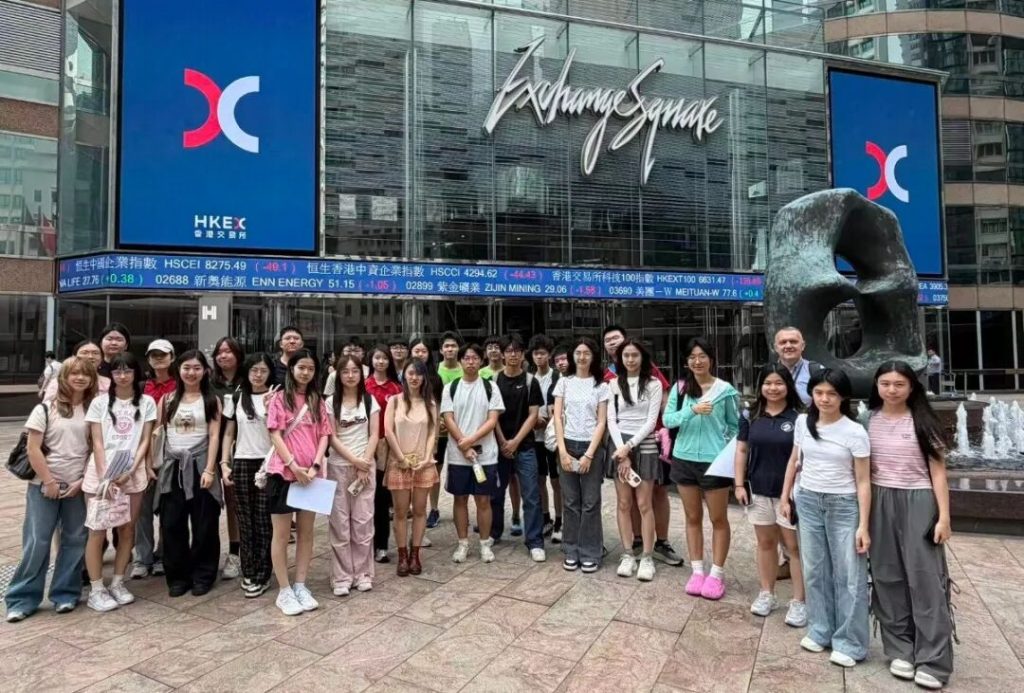
Central in the morning carried a damp shade of grey. The high-rises seemed to be pressed low by the clouds, while their glass facades reflected a muted daylight. As we approached Exchange Square, the first thing that caught the eye was the constantly updating stock display outside the Hong Kong Stock Exchange. Across the blue screen, indices, company names, share prices, and trading information kept moving; red and green figures appeared in turn, like the city’s pulse made visible in public.
Standing before the screen, the textbook idea of a “market” became tangible. A rise or fall in price may look like nothing more than a change in numbers, yet behind it may lie corporate earnings, investor expectations, policy conditions, international market sentiment, and capital flows. The fountain in front of Exchange Square added another layer to the scene: water rose and fell repeatedly, while some people hurried past, others took photographs, and staff maintained the screen equipment nearby. There was no deliberately staged sense of ceremony, yet the everyday operation of Hong Kong’s financial district was visible everywhere.
The significance of the Hong Kong Stock Exchange goes beyond the buying and selling of shares. It continually brings companies, capital, and investors together, and it allows resources to be reallocated through the price mechanism. The faster the numbers move across the screen, the more clearly, we can feel modern finance’s dependence on information efficiency; the more efficient a market becomes, the more it needs a reliable institutional framework behind it.
Reading Hong Kong’s Monetary History at the HKMA
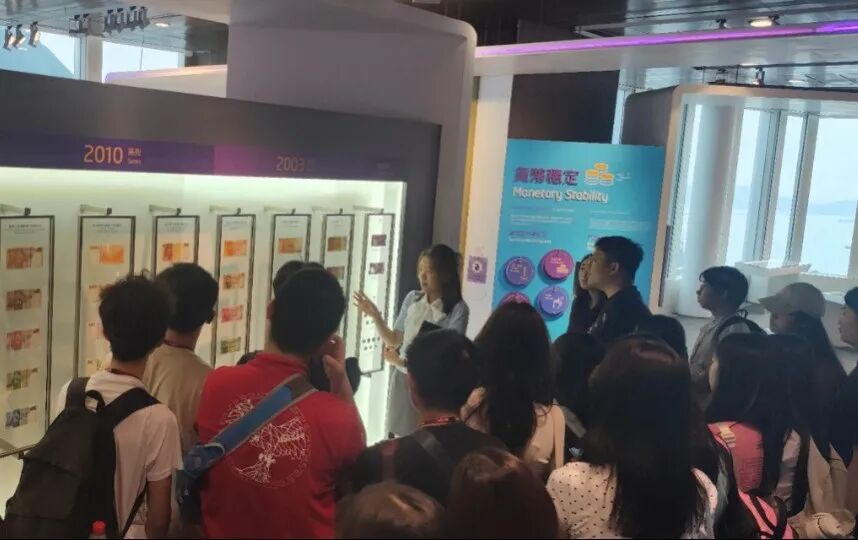
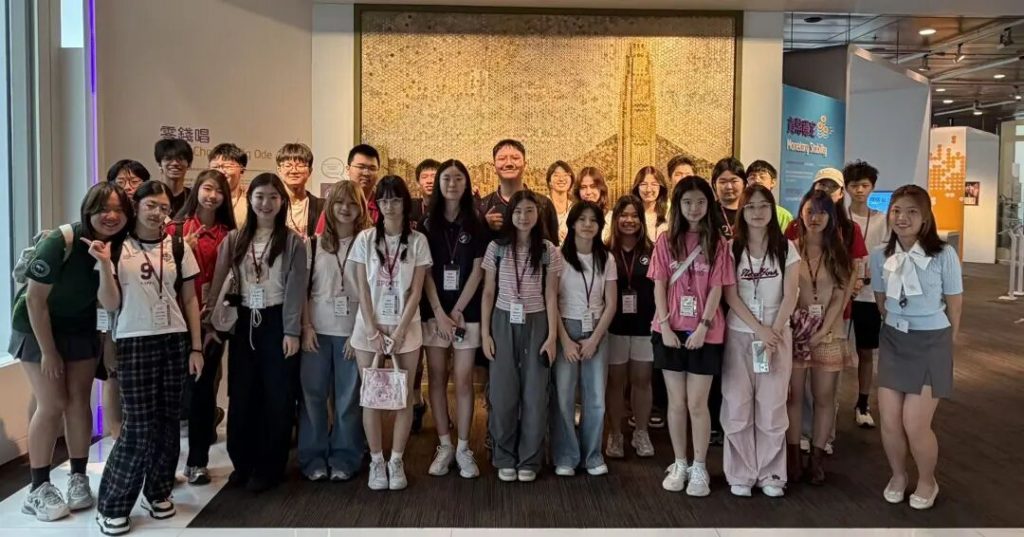
After leaving Exchange Square, we arrived at the Hong Kong Monetary Authority. Compared with the sense of speed in the financial district outside, the HKMA exhibition felt much calmer at first. It set aside the gains and losses of any single trading day and led us into a longer history of Hong Kong’s currency: from the parallel circulation of various silver dollars and foreign currencies in the 1830s, to the gradual emergence of the Hong Kong dollar as a clear local monetary unit, and finally to the banknotes, coins, and Linked Exchange Rate System familiar to us today. Standing before the display cases, we could see how a trading city continually adjusted its financial language at different stages of history.
The banknotes, coins, and explanatory texts in the exhibition unfolded the transformation of Hong Kong’s currency. In its early years as a trading port, multiple silver dollars and foreign currencies circulated in the market. In the 1860s, Hong Kong began issuing its own coins, and commercial banks gradually took part in the issuance of banknotes. In 1935, Hong Kong abandoned the silver standard and, through a new monetary system, made the Hong Kong dollar a more clearly defined local currency. Later, Hong Kong’s currency experienced wartime disruption, post-war recovery, a peg to sterling, a brief peg to the US dollar, and a period of free floating, before the Linked Exchange Rate System was eventually established in 1983.
This history made “monetary stability” more than an abstract concept. Stability does not exist naturally; it is the outcome of repeated institutional choices and historical adjustments. A banknote appears to be only a means of payment, but behind it are trade, banking, exchange rates, policy, and public trust. Exchange Square showed us the speed of financial markets, while the HKMA exhibition showed us where Hong Kong’s monetary system came from: the city’s financial order has been accumulated step by step along the course of its currency history.
Lunch beside Victoria Harbour
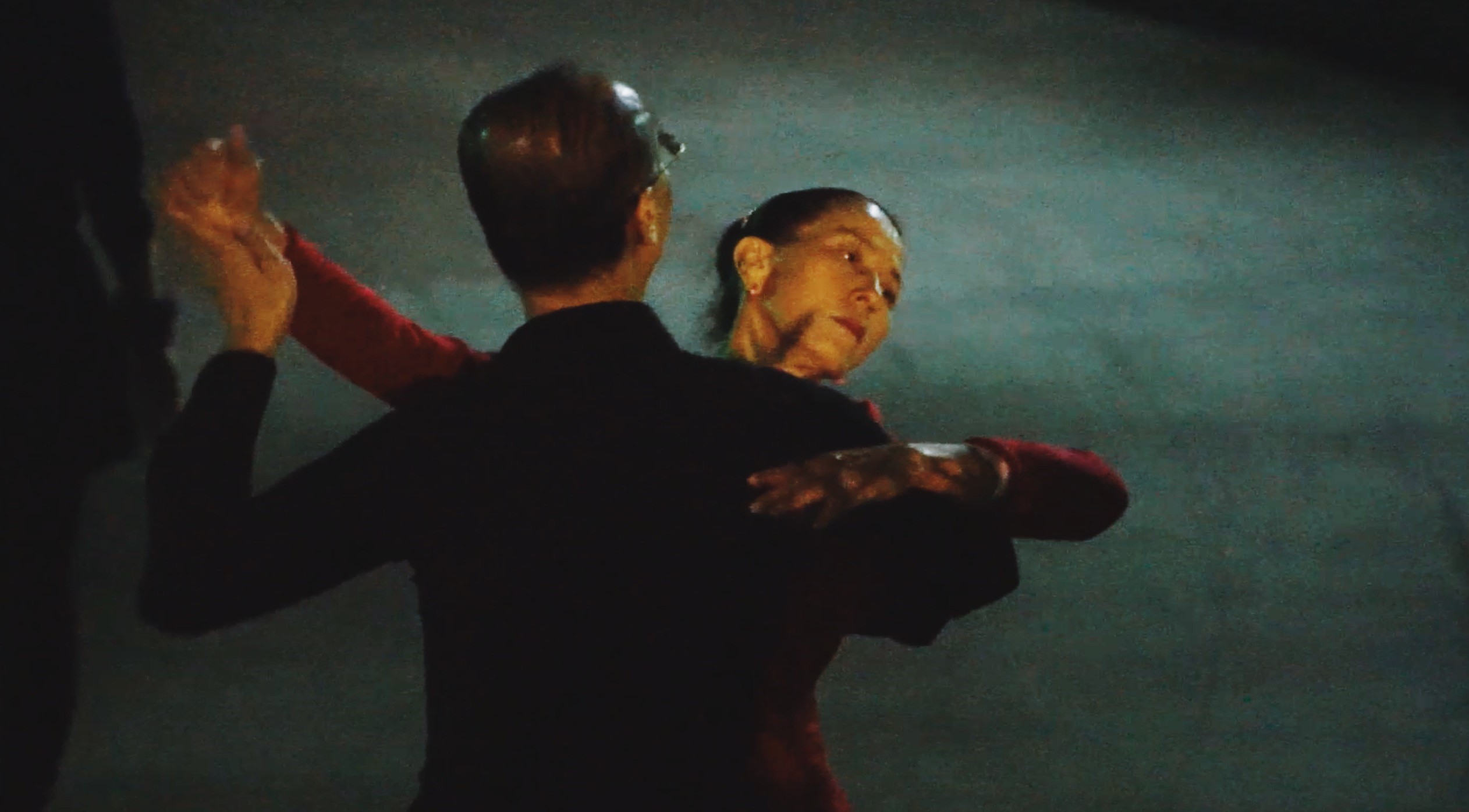
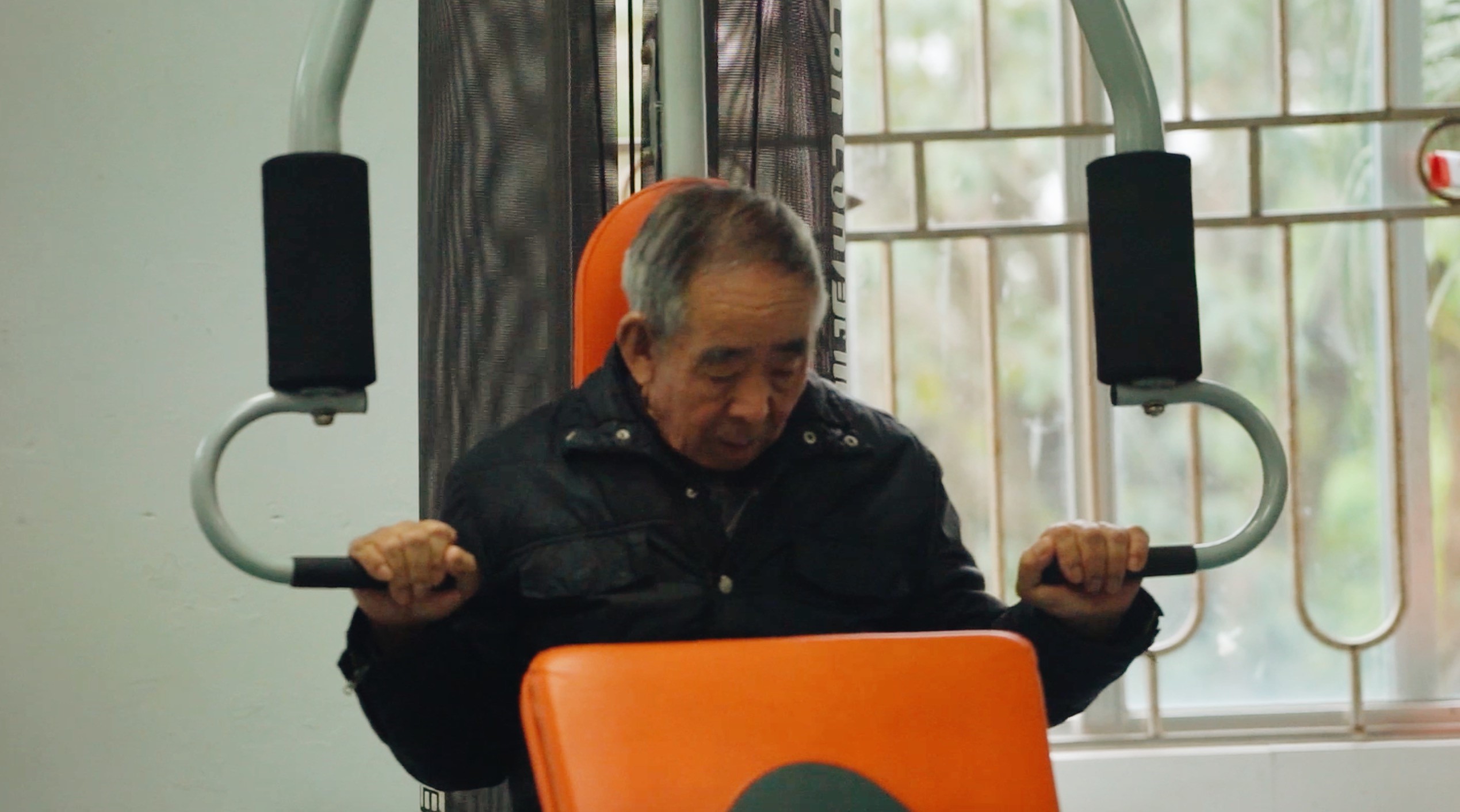
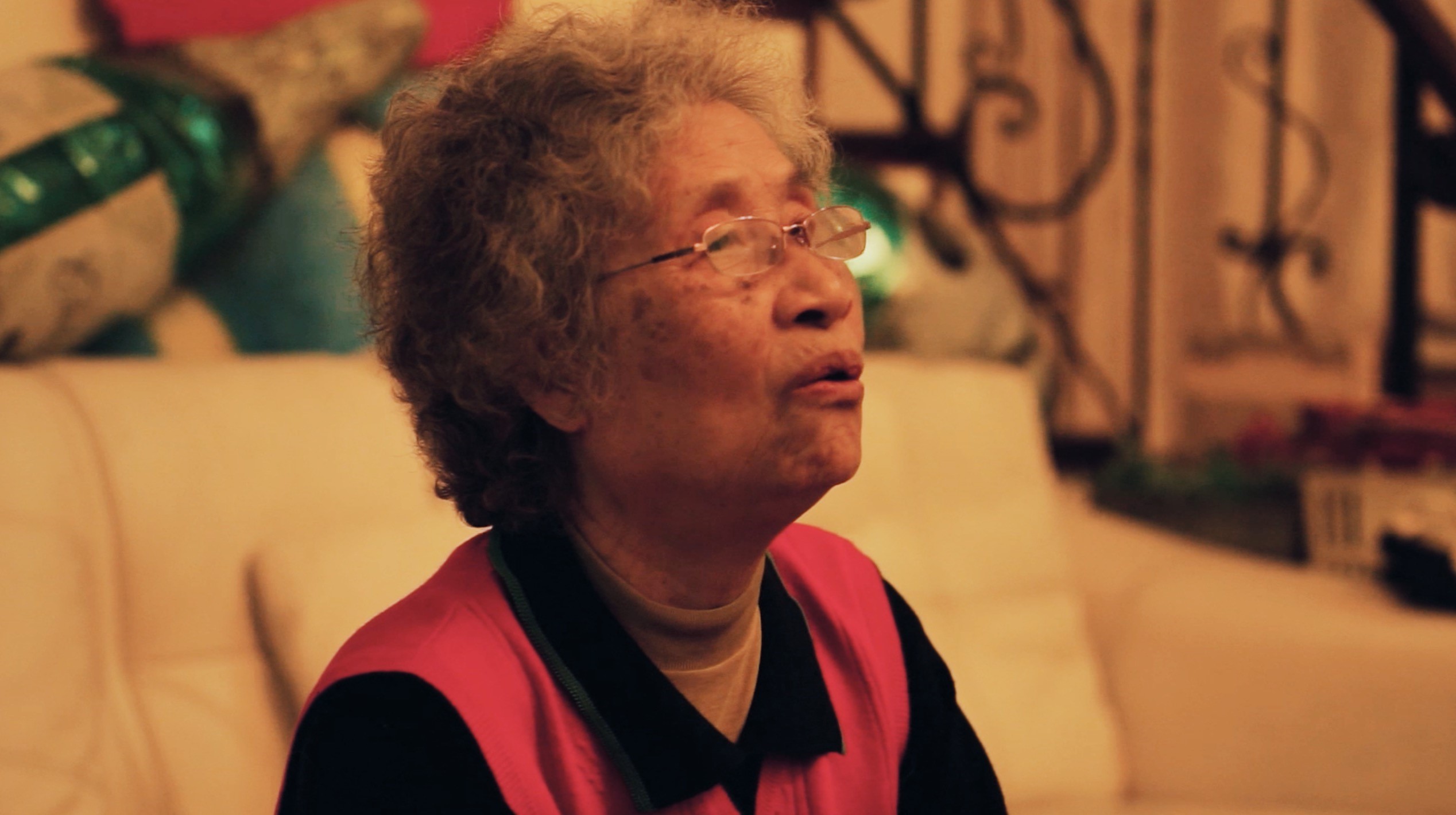
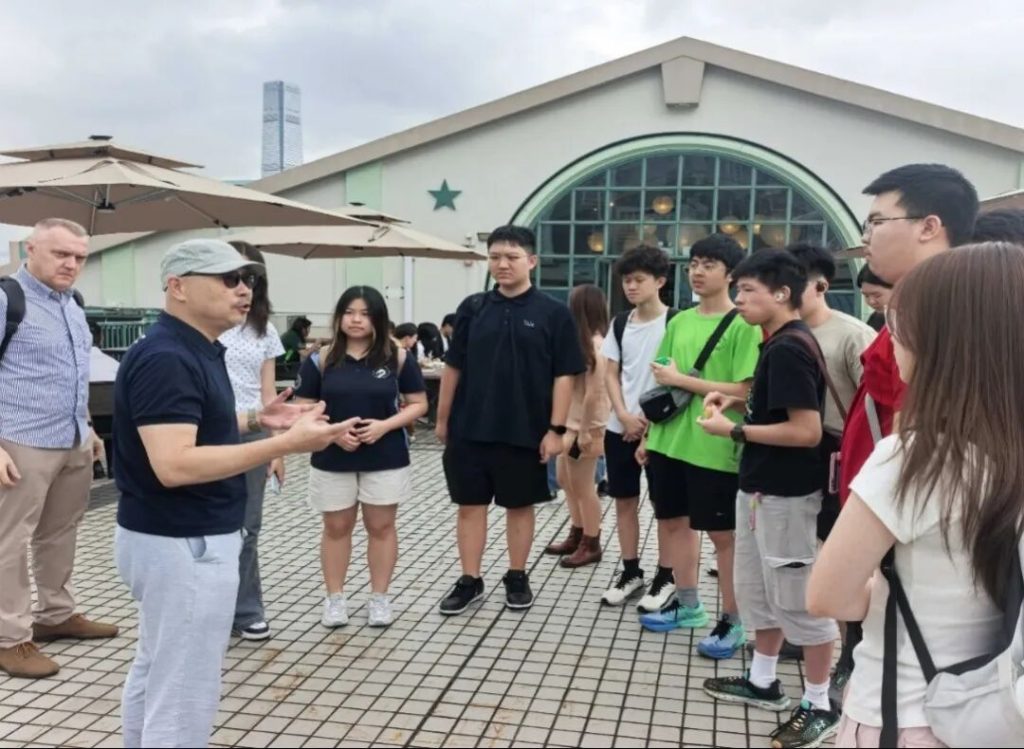
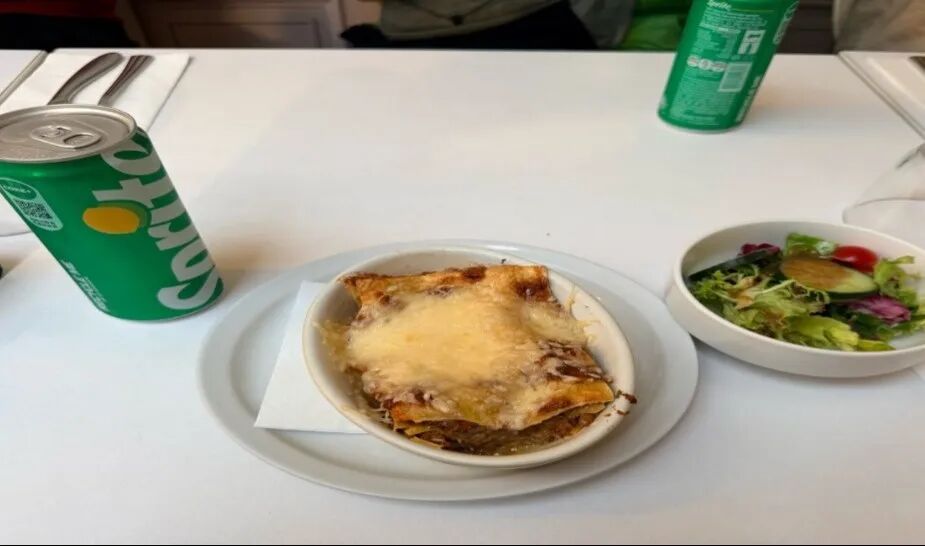
Lunch was arranged at the cafe above the Hong Kong Maritime Museum. After a morning of visits, the view felt different when we sat down beside Victoria Harbour. The space functions both as a restaurant and as an inclusive environment, offering people with disabilities, people with Down syndrome, and older adults’ opportunities for work, daily life, and social participation. Outside the window stretched the open water, where vessels drew white wakes across the harbor; inside, an elderly musician played jazz, the unhurried notes settling gently between the tables and giving the meal a quiet strength.
As the food arrived, the tense rhythm of the morning slowly loosened. The aroma of the hot meal, the sweetness of the drink, and the bright colors on the plate formed a gentle contrast with the grey-blue harbor outside. We ate while watching vessels pass back and forth, with jazz softly unfolding through the room. In that moment, the economy did not appear as charts or data, yet it became more real: behind a meal were labor and service; behind a workplace were respect and inclusion; behind a piece of music was the possibility for older people to continue participating in social life.
Victoria Harbour also reminded us that Hong Kong finance is closely connected with the port, shipping, trade, logistics, and professional services. The movement of goods creates demand for settlement, insurance, credit, and risk management, and these needs in turn drive the development of financial services. At the same time, a more mature city should return commercial development to human life. Lunch felt like an interlude, moving us from financial institutions toward the broader urban economy and allowing us, before entering the Maritime Museum, to see the more humane side of economic development.
Understanding Hong Kong through Maritime History
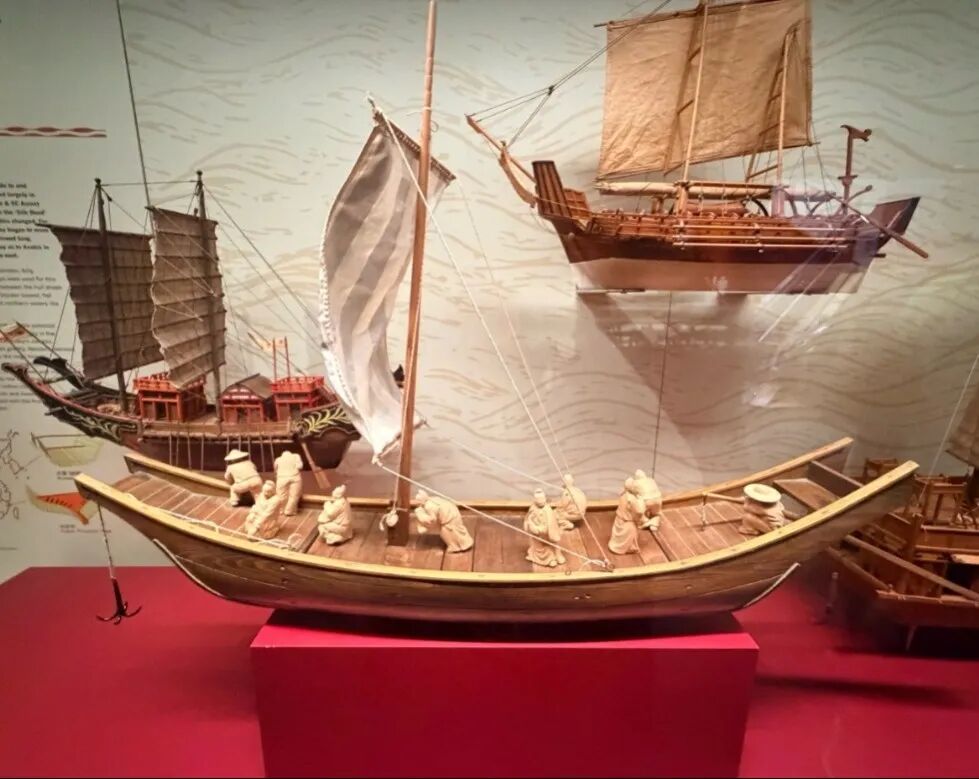
After we entered the Hong Kong Maritime Museum in the afternoon, the time scale of the trip expanded. Ship models, nautical charts, ancient navigational instruments, explanations of trade routes, and historical paintings placed Hong Kong back into the wider context of the sea and trade. The museum showed how ships were built and how they sailed; it also showed how human beings used the ocean to form connections, allowing goods, capital, and information to move across regions.
In the sections on ancient vessels and Chinese maritime trade, the finely made ship models left a strong impression. Their wooden hulls, sails, masts, ropes, and cabin structures were carefully restored, as if past scenes of navigation had been brought before our eyes. The models stood quietly in their display cases, yet they made us imagine that the seas of the past were far from calm: merchant ships had to face storms, distance, direction, supplies, and risk, and long voyages depended on technology, experience, and cooperation.
This is closely connected with the logic of trade in economics. Trade is far more complex than simple buying and selling; behind it are transport costs, credit relationships, payment methods, and the bearing of risk. The more mature shipping technology becomes, the wider the range over which goods can move. As the scale of trade expands, insurance, financing, settlement, legal services, and accounting services develop alongside it. The formation of Hong Kong finance is inseparable from precisely these trade demands and harbor conditions.
The Simulator Experience
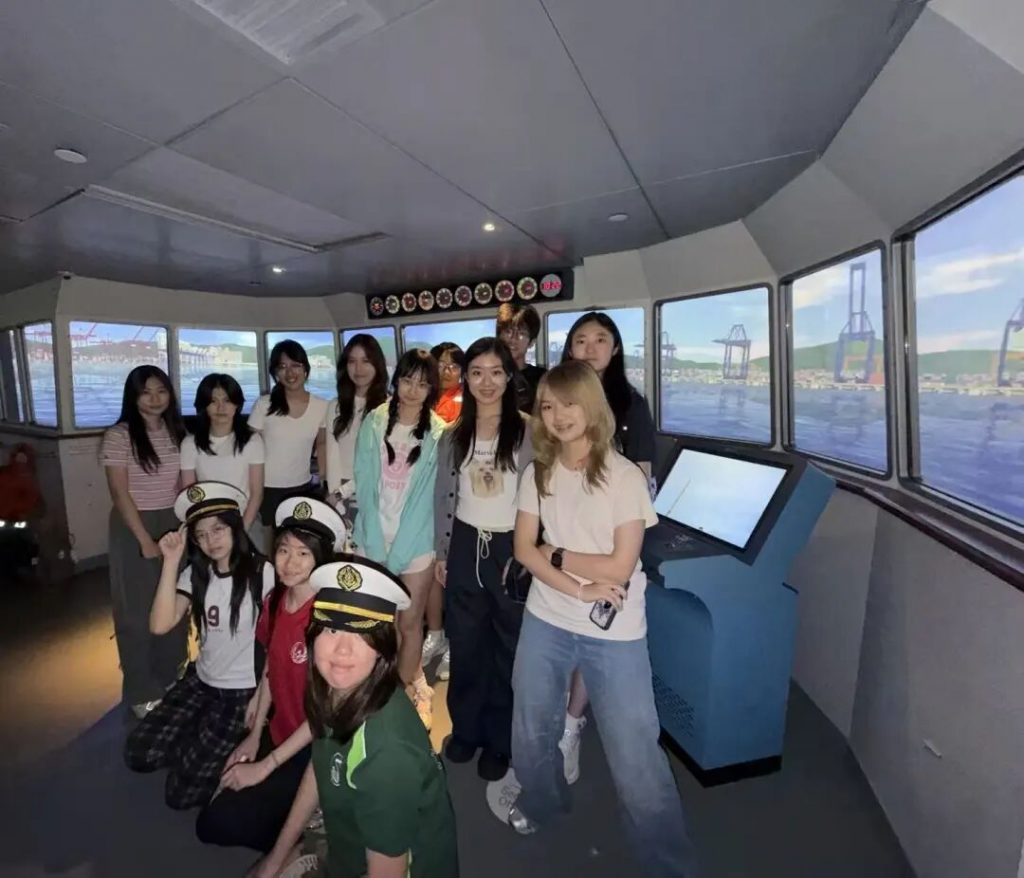
The ship-handling simulator added a sense of participation to the afternoon visit. Once we sat at the simulated helm, the displays and written explanations became direction, speed, and route. Every turn required attention to the surroundings ahead, and every adjustment could influence the next section of the voyage. This also resonated with the study of finance: when facing uncertainty, the key is not to accelerate blindly, but to keep observing, assessing risk, and adjust direction when necessary.
Conclusion
By the end of the day, our understanding of Hong Kong finance had been reorganized. Exchange Square showed us the speed of the market. The HKMA allowed us to read the history of the monetary system. Lunch beside Victoria Harbour showed us the people within the urban economy. The Maritime Museum, meanwhile, placed finance back into the long-term development of trade and shipping.
Hong Kong finance has always depended on a larger urban network. It draws vitality from the market, trust from the monetary system, and its foundations from trade and shipping. For us, this is where the meaning of the trip lies: we moved from visiting to understanding, trying to read how Hong Kong operates, how it connects with the world, and how it maintains its position in a constantly changing global economy.
- Article / Dario Han
- Photos / Dario Han, Zhenxuan