This summer, I went to Yale Young Global Scholars (YYGS) in New Haven and for the first time, I truly understood what I think of as the “summer camp theory”: people from all over the world gather in one place, sharing conversations as warm and intense as the midsummer air, exchanging ideas and confidences. Every word and thought was like the breeze on a summer night, leaving the warmth that lingered long after it had passed.
Two weeks together were cruelly short—just long enough for us to become familiar with one another, but never quite long enough to build lasting connections with my friends.
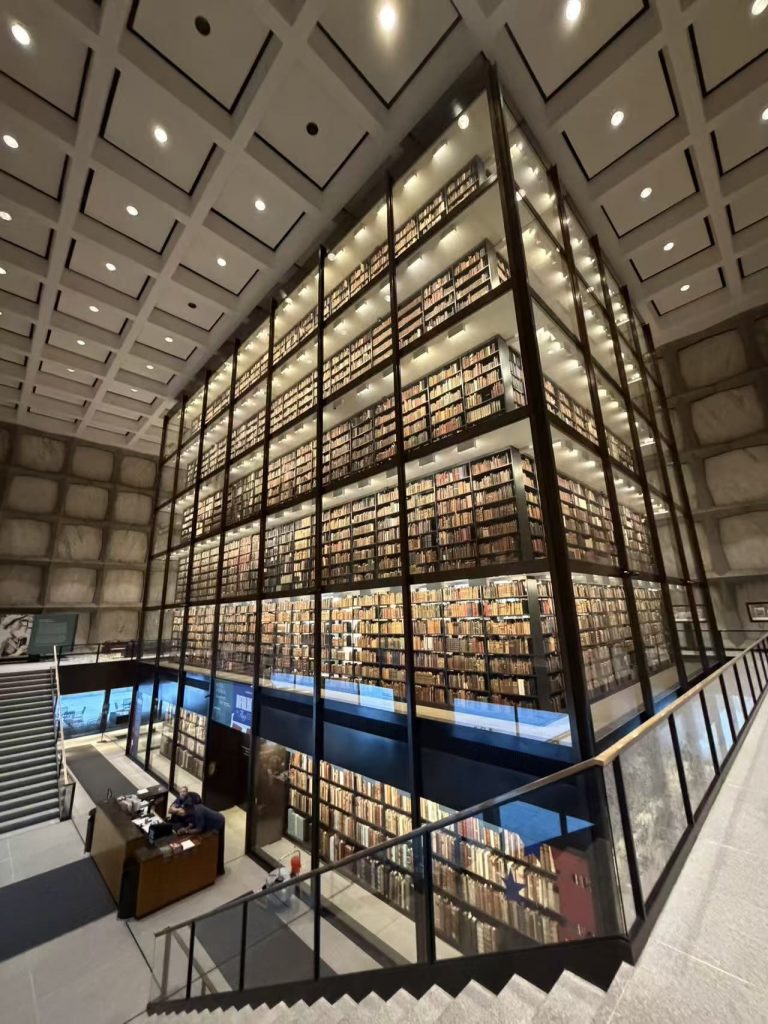
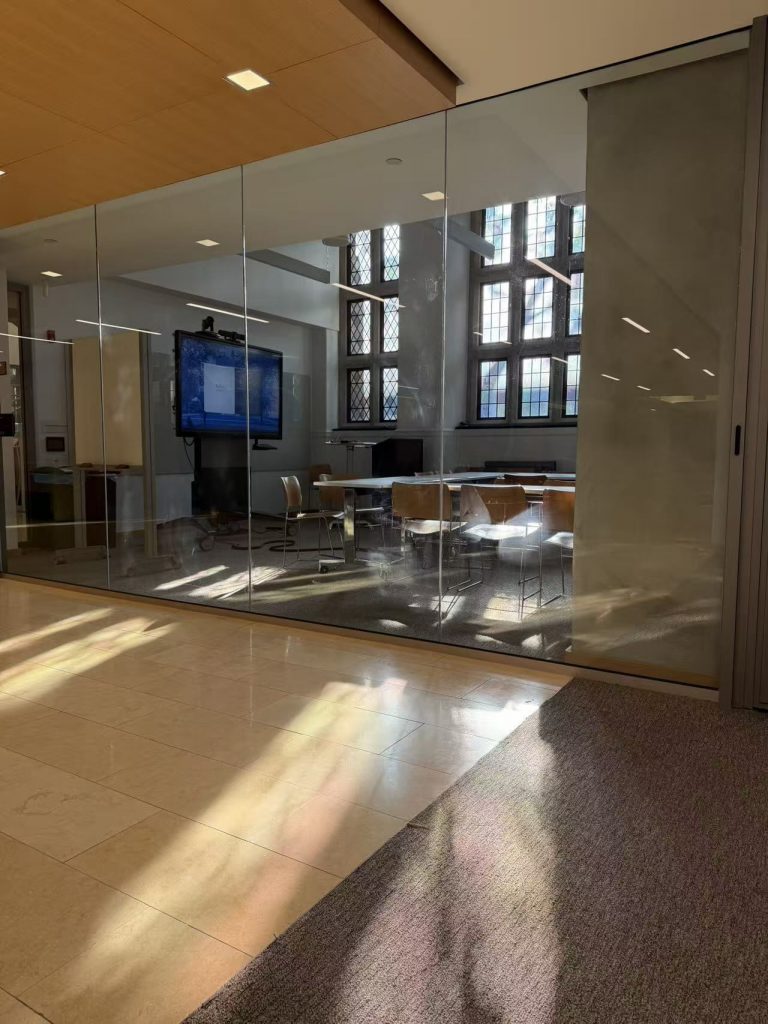
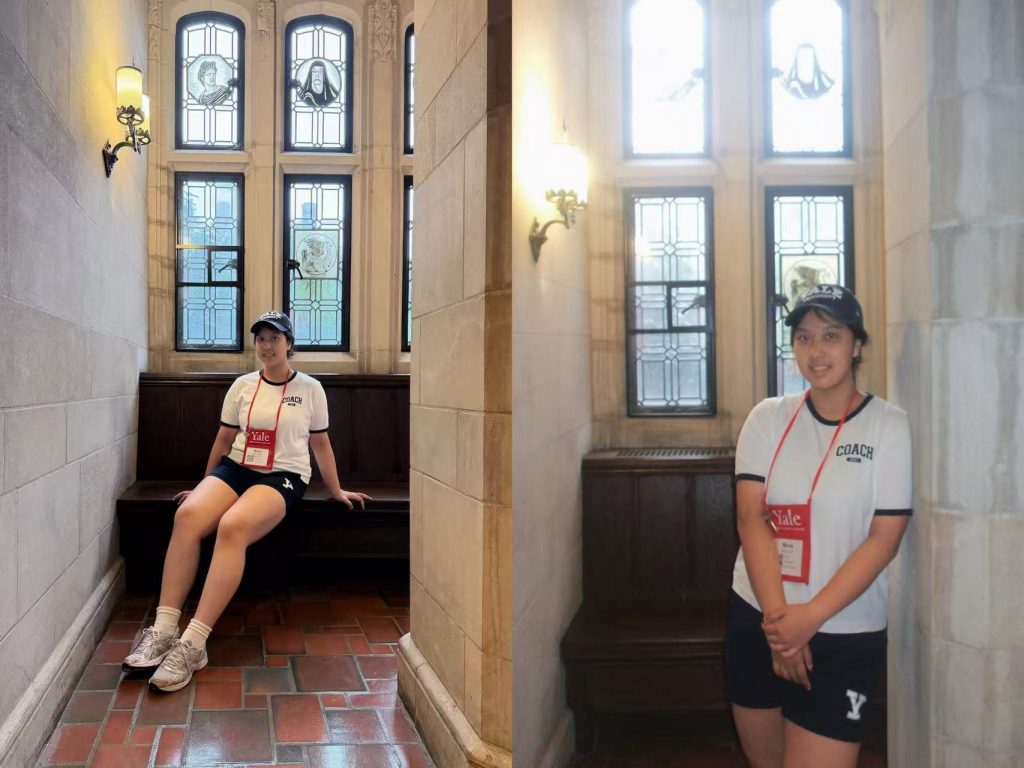
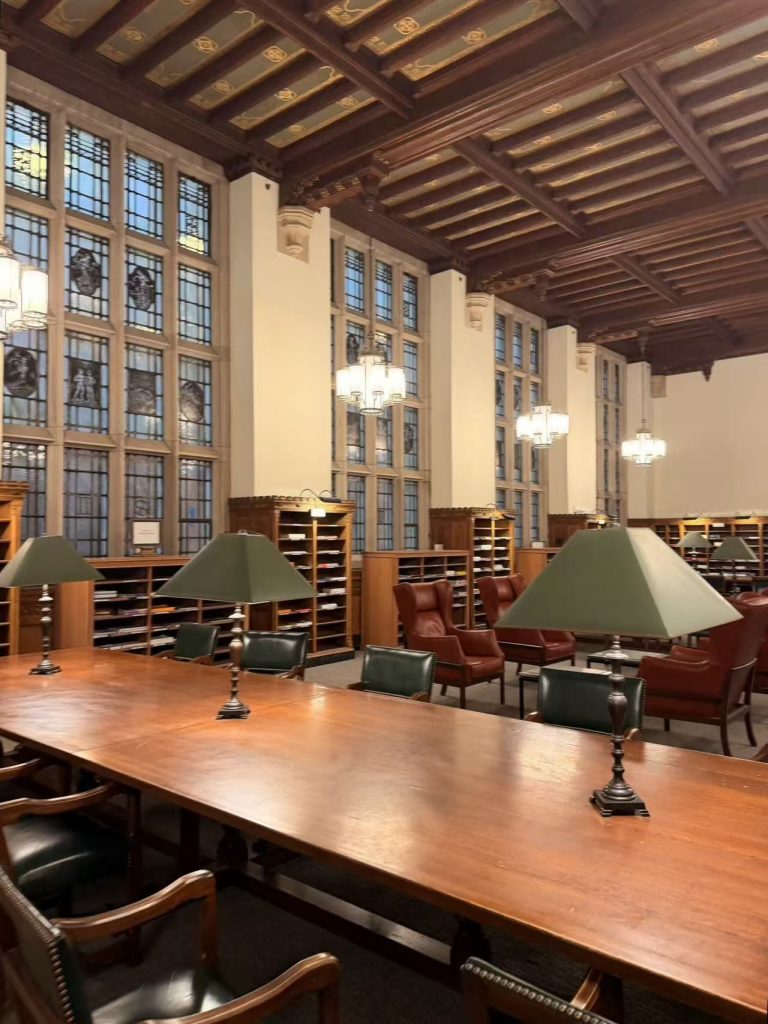
This was a summer that belonged to New Haven. I remember walking onto the Yale campus for the first time. The old Gothic buildings glowed a soft, pale yellow in the afternoon light, while ivy climbed thickly over the stone walls. The windows were tall and narrow, and sunlight filtered through the stained glass, casting blue and red patterns across the floor.
I remember our first presentation. During the Q&A, I was concerned about speaking clearly, so I didn’t raise my hand. When the teacher began to feel that our group was not participating enough, one of the girls spoke up for us. She explained that we came from different cultural backgrounds, that English was not our first language, and that presenting in a second language was difficult. We should be patient with them, she said, and trust them; they were all wonderful group members. I kept my head down, too embarrassed to look at her. But in that moment, her words felt like a warm hand gently resting on my shoulder. I remember thinking, I want to be someone like her, too.
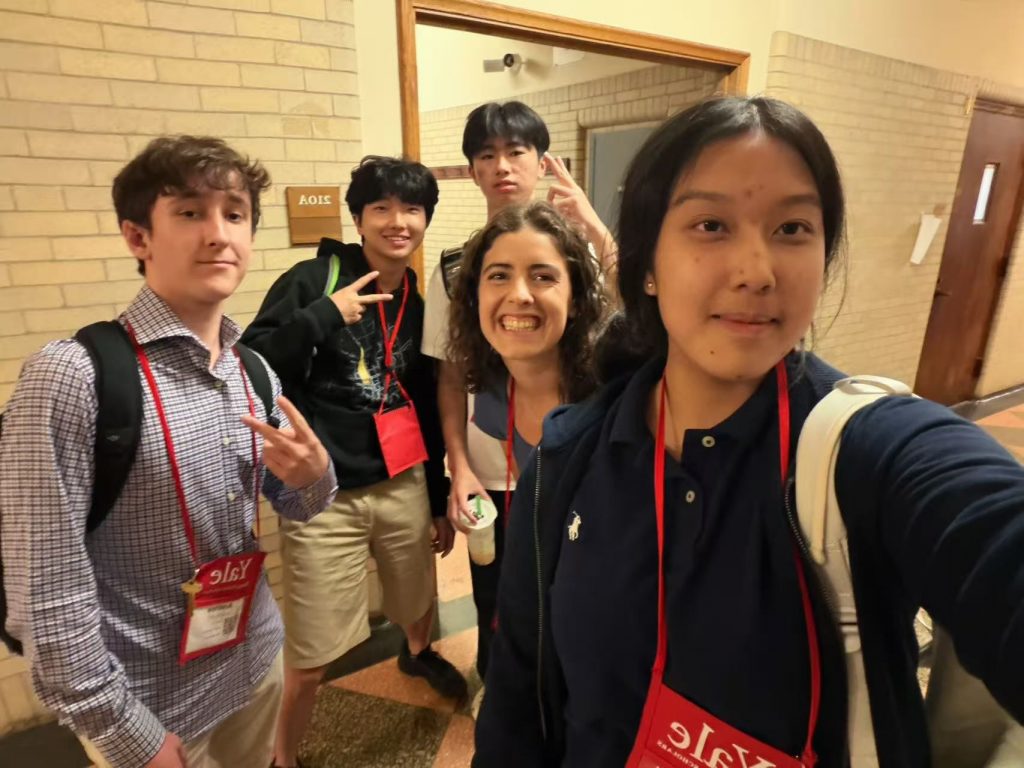
I remember the afternoon of the party. Sunlight slipped through the gap in the half-drawn curtains as five of us crowded into a tiny bedroom. Lipstick, eyeshadow, and foundation were scattered across the entire bed; the blanket lay crumpled in a corner, while eyebrow pencils and blush passed from hand to hand. You curled my hair, and I drew your eyeliner. Someone held up a little mirror, turning from side to side, while the light fell across her face and cast her shadow on the wall. Every time someone finished getting ready and turned around, the girls would burst out, “You’re so beautiful!” “You look so good!” That was so wonderful, so incredibly wonderful. There was something about that sincere, unreserved praise that seemed to brighten the entire room. Through the window, the lawn outside was at its greenest, and in the distance, the pointed roof of the bell tower caught the last light of the sky before dusk.
I remember the morning I left. It was barely dawn. My roommate heard the sound of my suitcase being dragged across the floor and suddenly sat up. With her hair loose around her shoulders, she hurried out of the room to see me off. The dorm was quiet and still, with a strip of light coming through the doorway at the far end. We stood by the door and hugged, holding each other tightly. Her hair brushed against my cheek, carrying the faint, clean scent of shampoo. In that moment, I really, really wanted to cry. When we finally let go, the light from the doorway fell perfectly between us. They waved goodbye, and I did not hear the door close until I had already turned the corner.

I remember the final night. The theater was filled with people, while outside, the sky was slowly fading from deep blue into dark, with a few stars shining coldly in the distance. We sang We Are the World together. The voices of people from more than 150 countries came together and echoed through the theater. Different skin colors, different languages, different beliefs; some voices were high, some low, some clear, some husky, like a river flowing from every direction and meeting in the same ocean.
As the voices grew louder and people gradually rose to their feet, I suddenly felt my eyes grow hot. There were, after all, so many people in this world who hoped for peace, so many people who loved this world deeply, and so many people who truly believed that together, we could make it a better place.
I remember the people who shared their experiences in class. Some had been refugees. Some had experienced famine. Some had witnessed how climate change slowly swallowed up an entire village. I sat beside them and listened as they spoke, in voices so calm, about stories that were so heavy and so full of pain. My heart tightened again and again. And my friends—some had built a platform within five minutes after an earthquake to help families reunite; some taught free public-speaking classes to children of immigrants, giving smaller voices a chance to be heard; some wore their national flags with pride, determined to tear apart stereotypes about Africa. They were so young, yet they had already left such deep marks on the world.
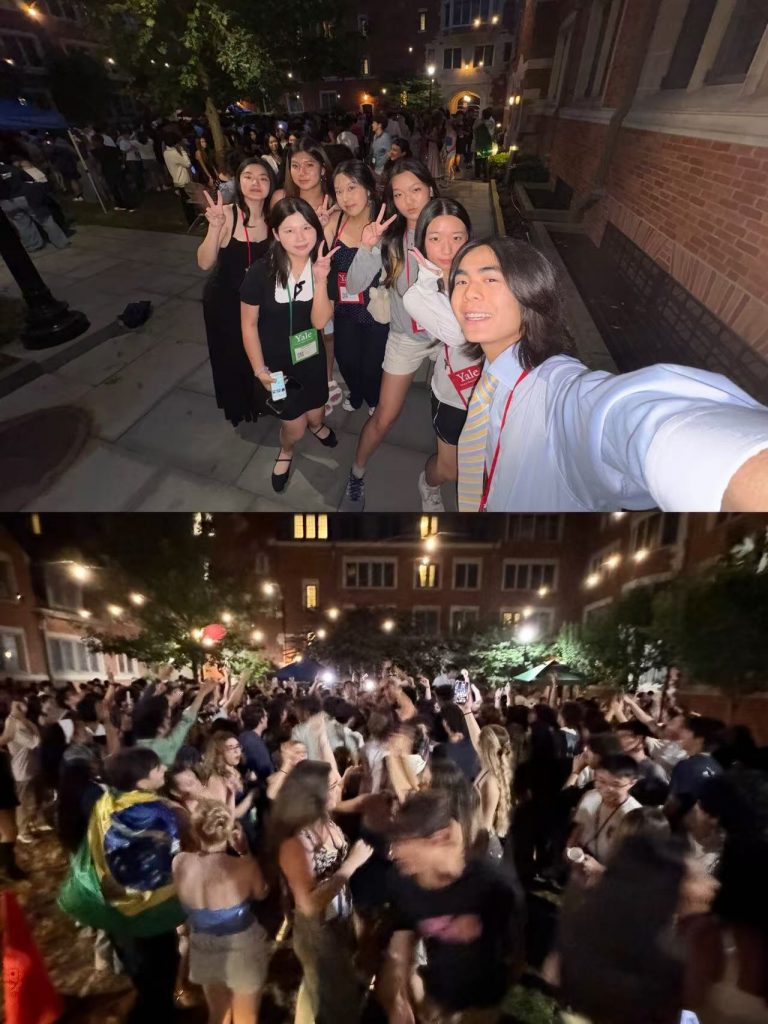
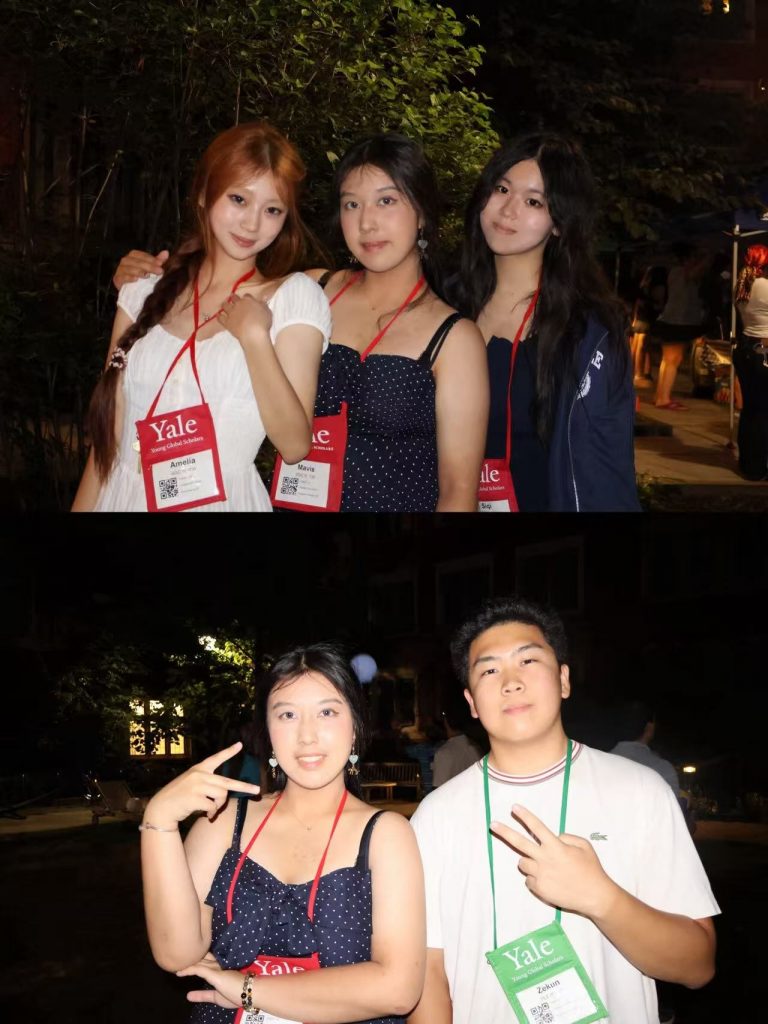
It let me take some things with me: the sunlight scattered across the stone walls, the dusk resting on our eyelashes, the songs that lingered in the evening breeze, the messages asking, “What we gonna eat tomorrow?”, the photos from the party, the feeling of those embraces. These things will not be worn away by the time difference, nor will they be washed away by time.
At 5:38 in the morning, I stood outside Ben Franklin College and looked back at the courtyard, at the sleeping campus, at the place where I had lived for the past two weeks. Those were the best days. The best teachers, the best group, the best people. I know those “best” words sound cliché when written down, but I cannot think of better way to say it.
Thank you, YYGS. Thank you to the instructors who patiently listened to my ideas, who were only five or six years older than us yet taught in ways that constantly opened my eyes. Thank you to those responsible group members who stayed in the chat with me late into the night, revising our PPT together. Thank you to those who went for ice cream with me, who played cards with me on the lawn until our hands were sore. Even though we saw each other every day, we somehow never ran out of things to talk about. You guys made me feel what it truly meant to belong at Yale. I miss you so much. We’ll see each other again, won’t we?
I am sitting on a plane, looking out at the endless white clouds, with New Haven slowly disappearing beneath them—the Gothic spires, the ivy-covered stone walls, that summer filled with our laughter and tears. I will remember it. I will remember every face, every warm word, every moment when I was hugged by people. And perhaps, many years from now, on some ordinary night, I will happen to hear We Are the World again, and suddenly remember this lawn, this breeze, this group of people.
Then, for a moment,
the summer in New Havenwill come back again.
- Article / SCIE Student Mavis