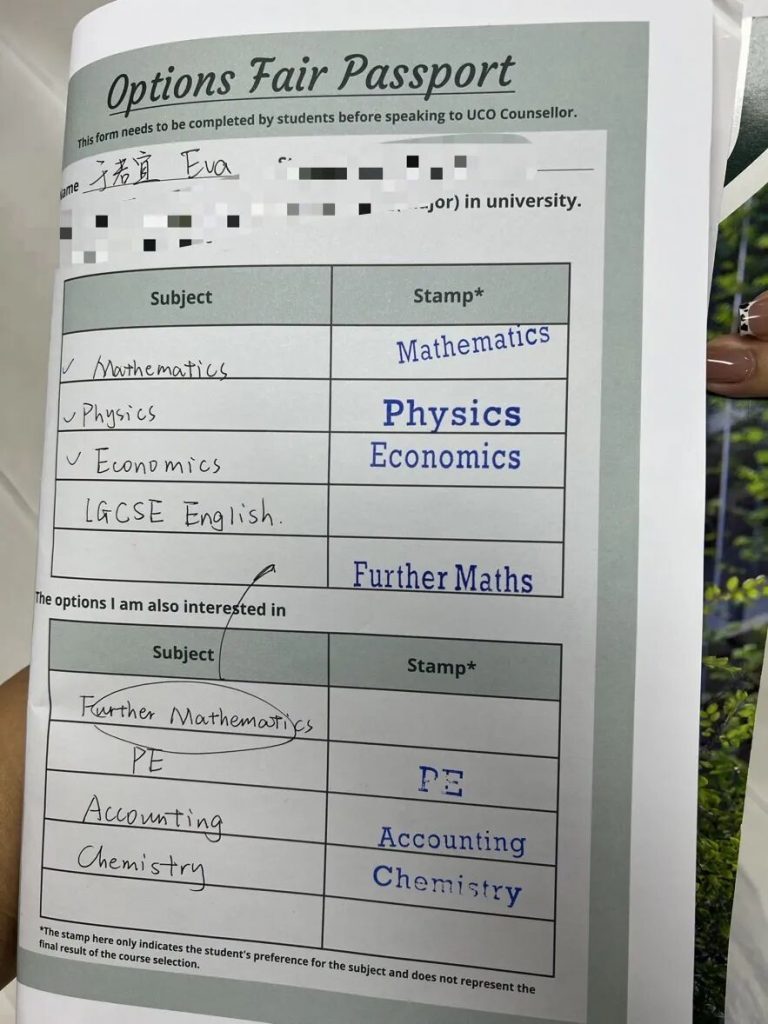
When I first came to SCIE as an A1 student, I had never seriously thought about “majors.” Everyone else had been planning for universities since G1, but I only had two years to do so. I had no time to overthink it . I just knew that, I had to pick four AS subjects by next week.
The day before the deadline, I finally noticed Accounting in the course booklet. I didn’t want to do Chemistry or Biology, so I just ticked it and thought that I would give it a try. It’s actually kind of funny — back when I was still in the Chinese Gaokao system, Accounting was the first university major I said no to. I thought it was just about boring and repetitive work. However, at SCIE, my reasons for picking it were pretty simple: no prior knowledge needed, and I could drop it in A2. At that time, I didn’t know that, a lot of important decisions were made in those casual moments.
How would this casual decision affect me then?
At first, I worked super hard at Accounting, not out of love, but because I didn’t want to lose. I hadn’t fully settled into the international school system yet, but at least in this class, everyone was in the same boat. Therefore, I carried that thick Accounting textbook everywhere, grinding through it page by page, building a basic framework of Accounting in my mind. But slowly, the grind started to feel less like grinding.
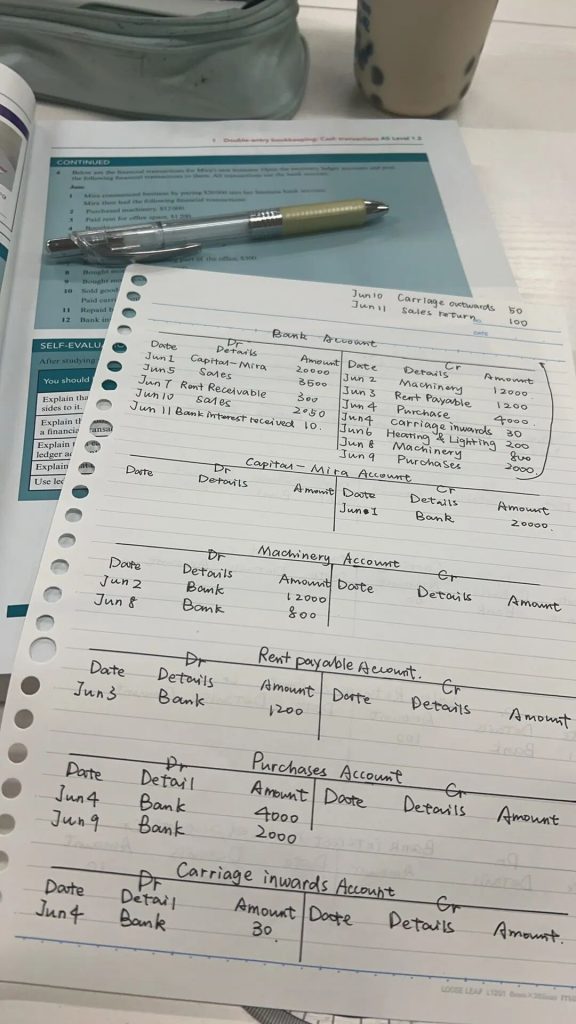
The T-account, with debit side and credit side, felt like a scale. For every transaction, both sides had to balance — not too much, not too little, exactly equal. And when you put all those entries together, the financial statement could eventually tell you what was going on in a business. Dozens of transactions would come together into one precise table, and every number had its meaning. I was hooked. Not because I wanted to win, not because of exams, but because for the first time, learning something wasn’t just about the grade to me. Gradually, those Accounting lessons every week became what I looked forward to the most.
My Accounting grades kept getting better. I made it to the podium, and I got a good score in the final exams.

But when it was time to pick my major for university, I hesitated. I couldn’t stop asking myself: do I really love Accounting, or just love being good at it? These two questions sound similar, but the answers are completely different.
So I started looking for answers. I asked my Accounting teacher about future career paths if choosing Accounting in undergraduates, scrolled through LinkedIn to see what Accounting graduates actually do, and compared the module lists of different programs. Then I found something frustrating: Accounting has a clear path, but it’s also pretty narrow. Big Four, corporate finance, auditing are stable, but not much room to change.
A senior who studies math told me, “Math is the foundation of business. It’ll make you stand out from regular Economics students.” My parents hinted over the phone that a broader undergrad degree would give me more options. I watched thousands of videos, and everyone was talking about the same thing: the major you pick at eighteen shouldn’t limit your future. Finally, even my Accounting teacher, Mr. Issac, said, “Go for math. It’ll open up more possibilities for you.” Even the person who knew best how good I was at Accounting didn’t try to hold me back.
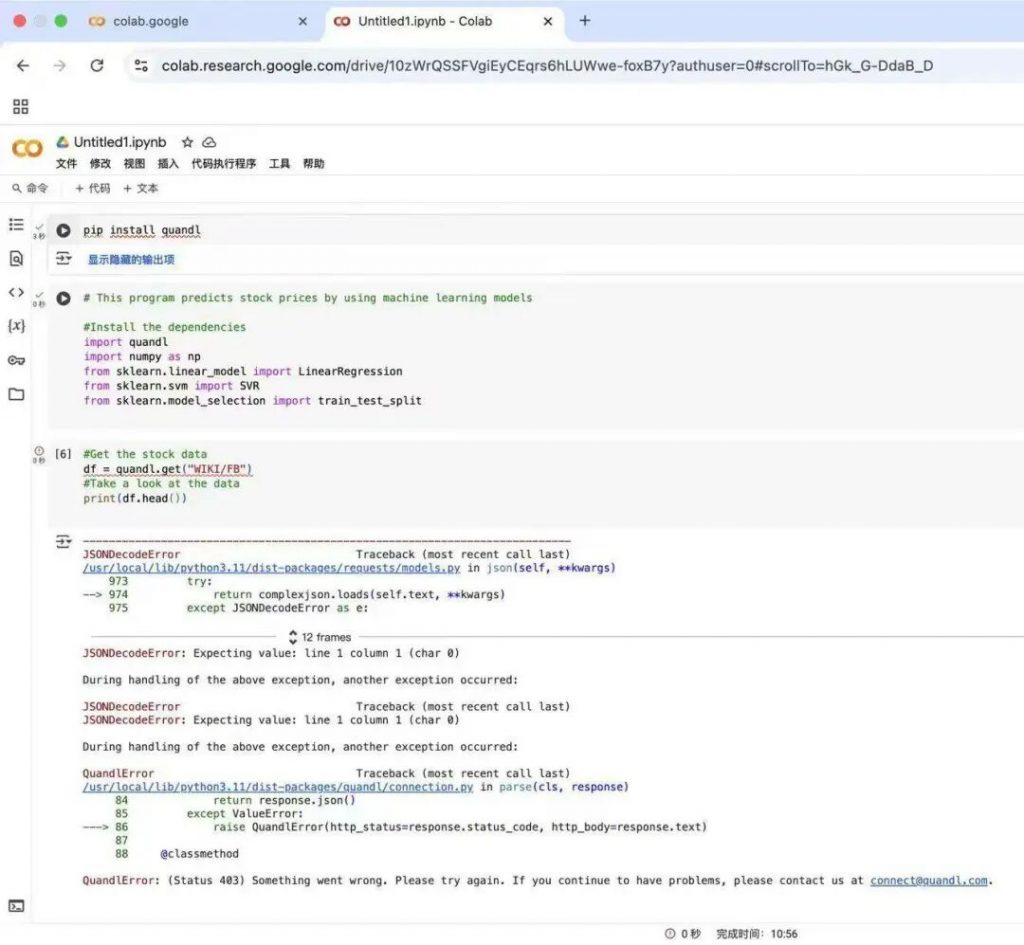
Around the same time, I started realizing things in other classes too. Ms. Yang taught us hypothesis tests. In the textbook they were just statistics, but I realized they could also help businesses figure out whether an effect was real or just coincidental. Mr. Melatos taught me how to analyze stocks and predict future business development, and I found that the more precise and quantitative way of doing that relies on probability theory, regression analysis, calculus, and linear algebra. These math tools, just like the logic of Accounting, help me see how the world works.
I did hesitate. My love for Accounting was real, and so were those nights I stayed up smiling at balance sheets where assets equaled equities plus liabilities. But after thinking for a long time, I finally figured one thing out: what I really enjoy is the logic and method of Accounting, not necessarily the career path. I’m the kind of person who likes to keep options open. I don’t want to plan out the next forty years of my life at eighteen. Some passions are meant to nourish you, so that you don’t have to hold on to them so tightly. That was probably the most important lesson I learned at SCIE.
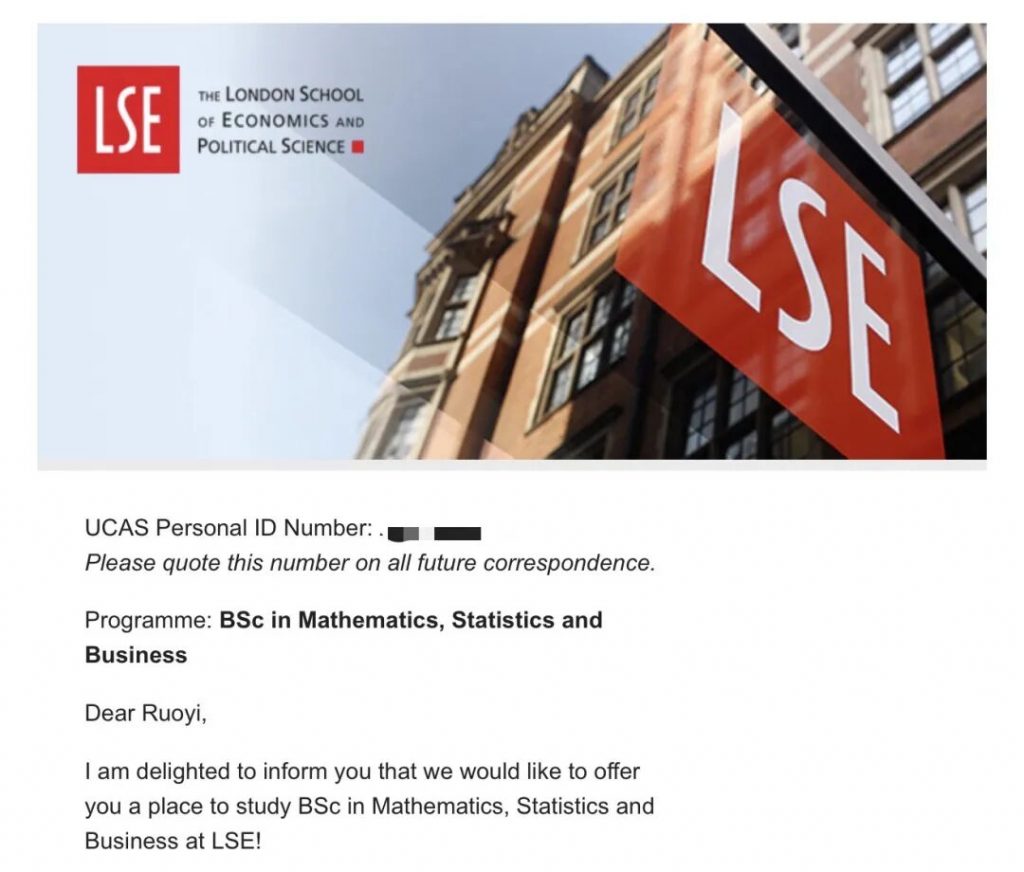
So I chose the Math & Stats direction. At the end of application season, I got an offer from LSE.
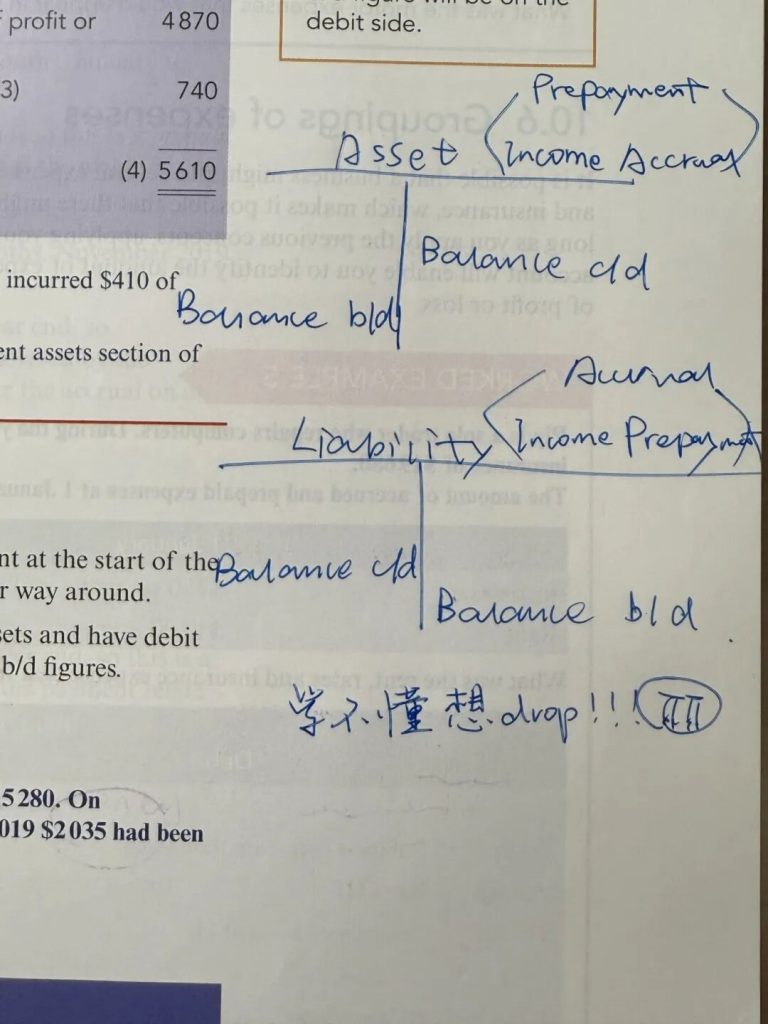
The day I got the offer, I flipped through the Accounting book I had been using since A1. On one page, still scribbled in frustration, was “drop!!!”. From “planning to drop” to standing on the podium, then to choosing to walk away, that book probably knows what happened during that time better than I do. To be honest, I felt a bit sad. But I knew that letting go wasn’t running away. Undergrad isn’t the end. It’s a bigger starting point. The reason I choose Maths &Stats was not I didn’t love Accounting anymore. I chose it because I wanted a path with more flexibility, and more options – the one that would let me take my time figuring out where I actually want to go. Accounting gave me a ruler and taught me how to measure value. Now I want to take that ruler and measure a bigger world.
Accounting didn’t end up as my major. But it’s already part of how I think. Those ideas about balance, logic, and order will stay with me no matter where I go. It helped me open a window, showing me a world that’s more orderly and understandable. Now that the window’s open, I have to move forward.
I don’t know exactly where that road leads yet. But maybe that’s okay. Maybe being eighteen is about carrying a passion that’s become part of you, walking toward a future you can’t quite see, and trusting that you don’t have to have it all figured out. Just that you’re on your way, and that’s enough.
- Article / Eva YU