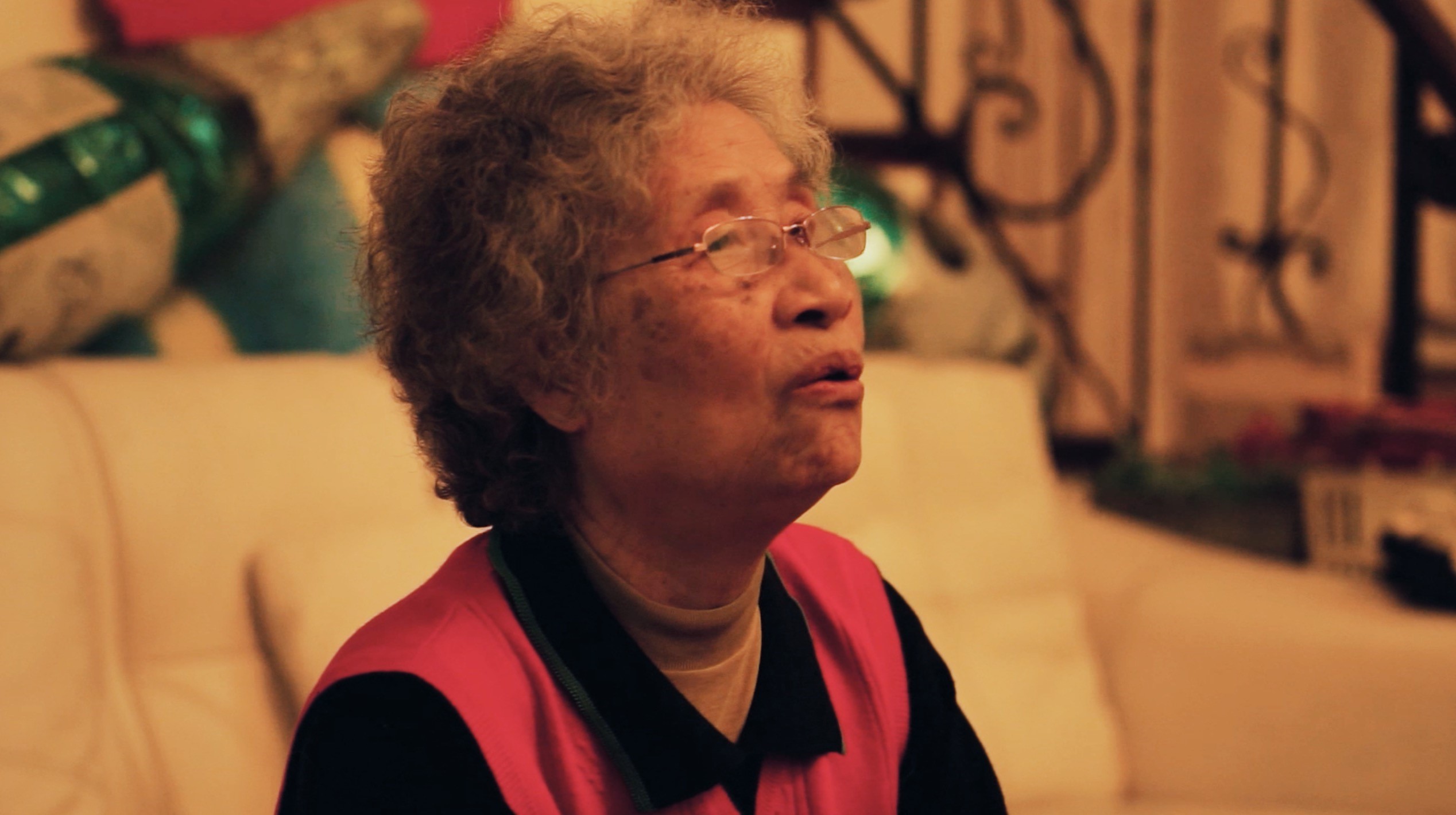
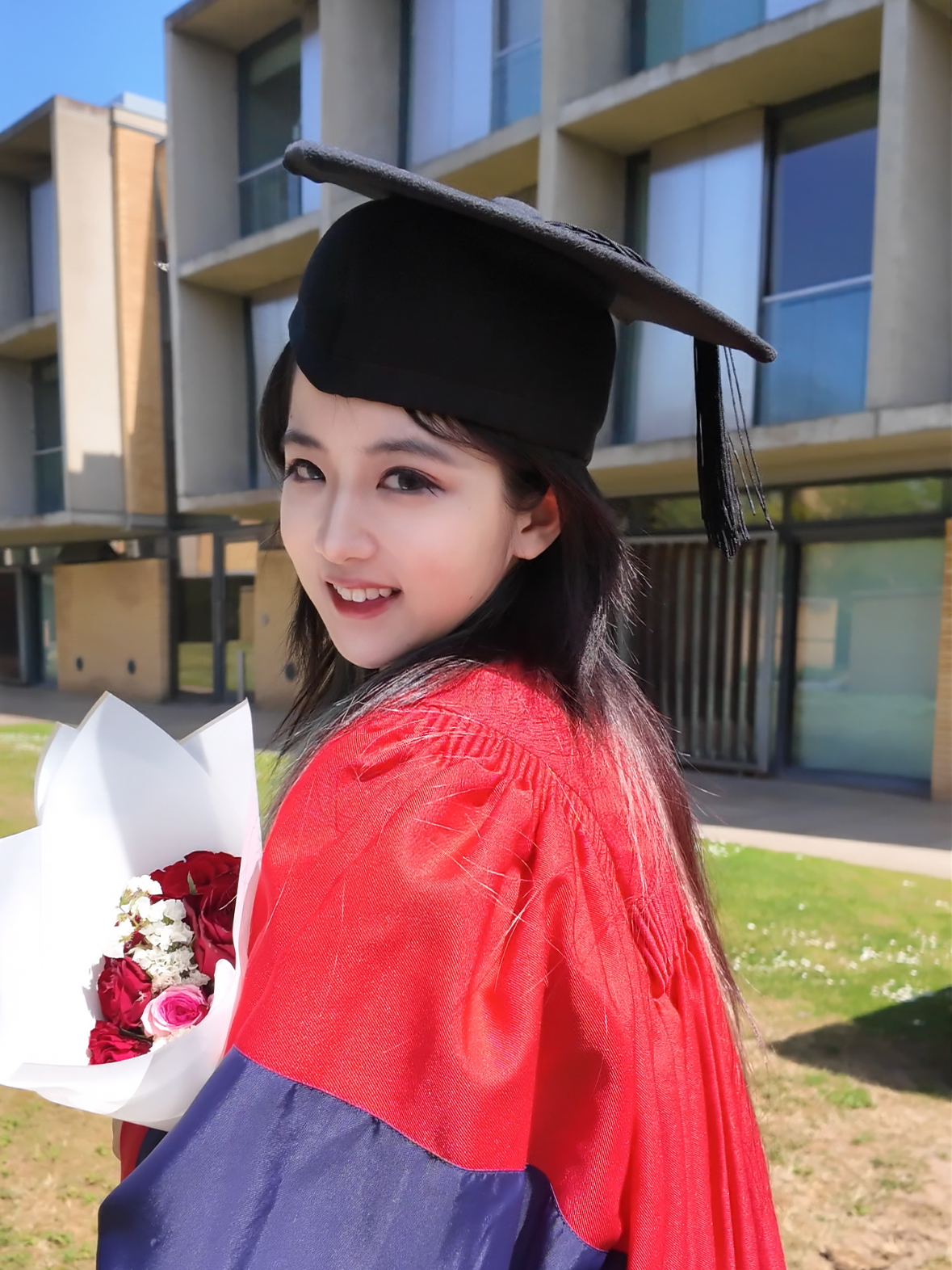
Zhu Wenqi (Kate) is an alumna of Shenzhen College of International Education (SCIE). She entered the mathematics department of the University of Oxford at sixteen, one of the youngest Chinese undergraduates of her year; at twenty she joined J.P. Morgan and Goldman Sachs in asset management.
She later left finance for love of the subject, returning to Oxford for a master's and a doctorate in mathematics — graduating top of her master's cohort, and winning the IMA Leslie Fox Prize in Numerical Analysis during her PhD, one of the field's most prestigious awards for young researchers. Today she is a postdoctoral researcher at Oxford working on Math for AI, exploring how mathematics can help AI think better.
Many years ago, a twelve-year-old child — without a single graduation certificate to her name — walked into a newly founded international high school in Shenzhen. Back then the school had no uniforms; its three or four grades added up to barely a couple of hundred students; it had not yet sent out a single graduating class, and no one knew whether the children it taught would turn out all right.
That child was me. And that school was SCIE.
Looking back now, I often think that my school and I, in those days, were like two damp little creatures that had just broken out of their shells — neither of us could say what we would grow into. Twenty-odd years later, I set out from here: to Oxford, into finance, through a PhD in mathematics, and now to research in artificial intelligence at Oxford. The school, too, has long since grown into what it is today. So this time, I wanted to come back and set down, as honestly as I can, the things I most want to say to the students coming up behind me.
1. Oxford, where that fighting edge dissolved
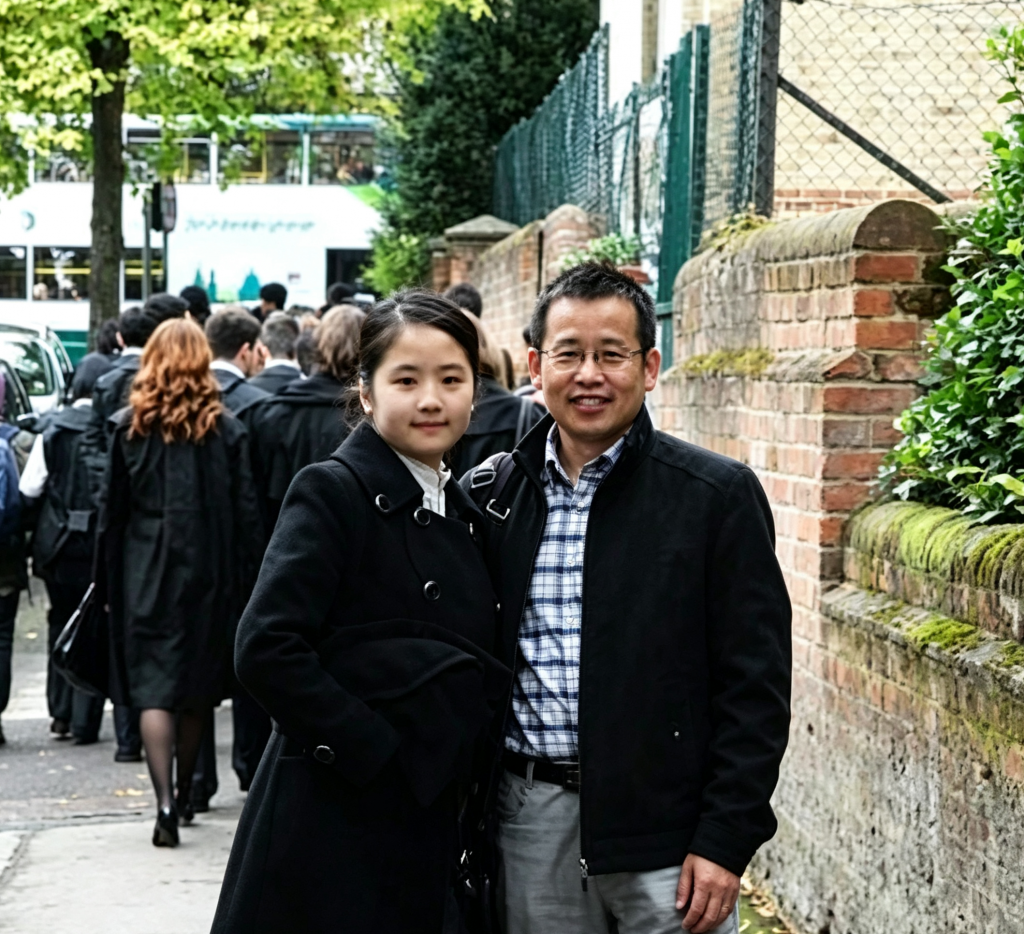
When I was fifteen, I flew thirteen hours on my own, for the first time, to interview at Oxford. To be honest, what carried me then was less love than sheer stubbornness — I was top of my year; if even I didn’t go, then who was worthy of going?
But what truly remade me was not the offer letter. It was what came after — when I actually moved into Oxford, walked its cobbled streets, and soaked in that atmosphere of scholarship that centuries have not worn away. The competitive edge I had arrived with quietly dissolved. I stopped thinking about beating anyone, or proving anything to anyone. I simply felt, very calmly: oh — so this is my second home. I hadn’t come to conquer it. I had come home.
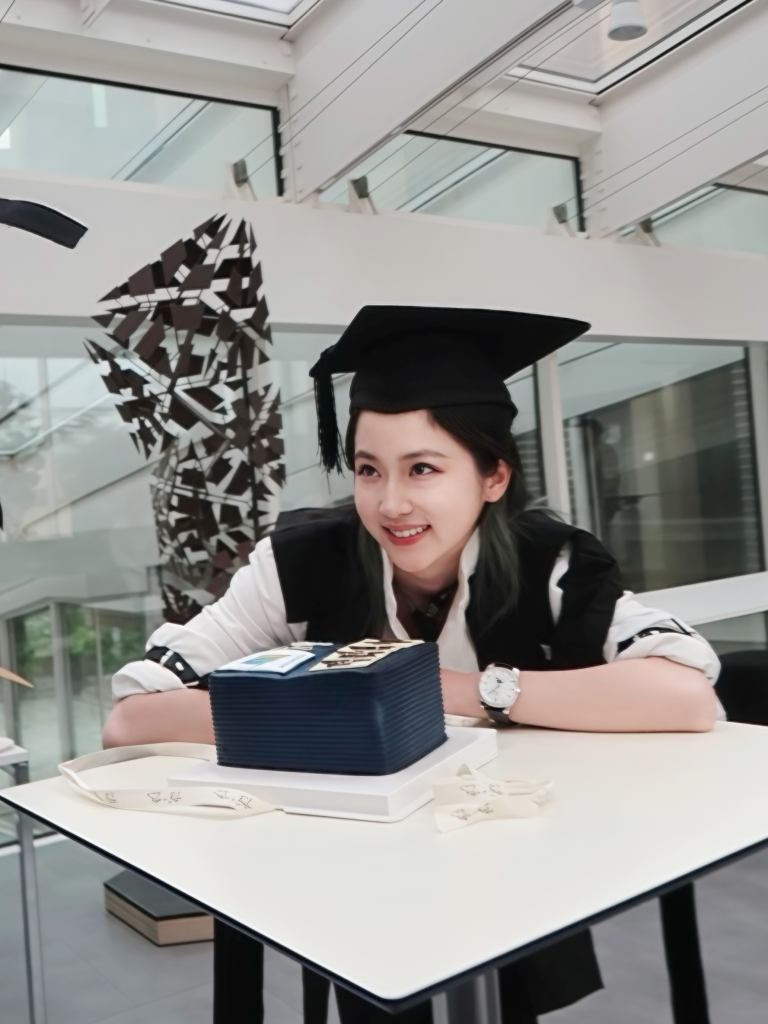
The year I finished my master’s, the department threw a party. I assumed it was just a farewell dinner; I had no idea Oxford would hand out prizes that day, on the spot. So when they read out the name of the top prize, and that name was mine, I was completely stunned.
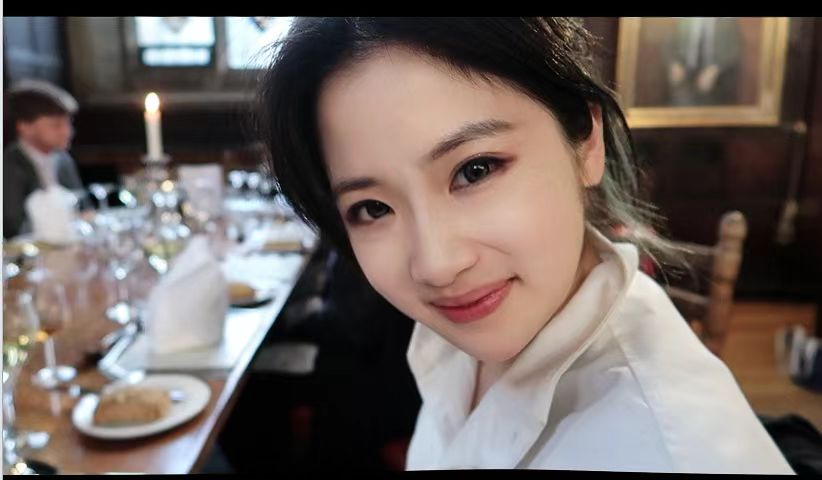
That day was almost unreal in its joy: at dawn a group of us leapt into a car and drove straight to London, and on the four-a.m. night bus we rode from one terminus to the other and back again, just to watch a sunrise together, as the sky slowly turned the faintest blue. In that moment I understood something with sudden clarity: once your own heart is light, the whole world turns beautiful.
2. Doing research means facing failure, almost every day
I want to tell the younger students something, very honestly: the “unstoppable” version of me you see on a screen is only the version on the screen. The real me faces failure almost every single day.
In my first year as a PhD student, I set myself a goal that sounded, at the time, absurd: to write ten papers over the course of my doctorate. Once a month I would bring my supervisor an idea. Not good enough, she’d say. I’d bring another. Still not good enough. This went on for eight or nine of them — not one made the cut. The day my seventh idea was turned down, I stood in the department corridor for a long while — not because I wanted to give up, but because, just for that moment, I honestly could not see where an eighth idea would come from.
And yet, most of the time, I genuinely did not feel defeated. Because as long as I kept writing, kept producing — good or bad — I was happy from the inside out. Solving the maths made me happy; not solving it made me happy too. Love isn’t the absence of feeling. Love is that, once the feeling has passed, you still come back to that desk the next day.
There is one line I most want to pass on to those of you at SCIE, being worn down by one exam and one setback after another: train like you never win, fight like you never lose. What is truly hard has never been intelligence. It is the steadiness to keep yourself in the chair — the willingness to sit on a cold, hard bench, for as long as it takes.

3. A prize with an age limit
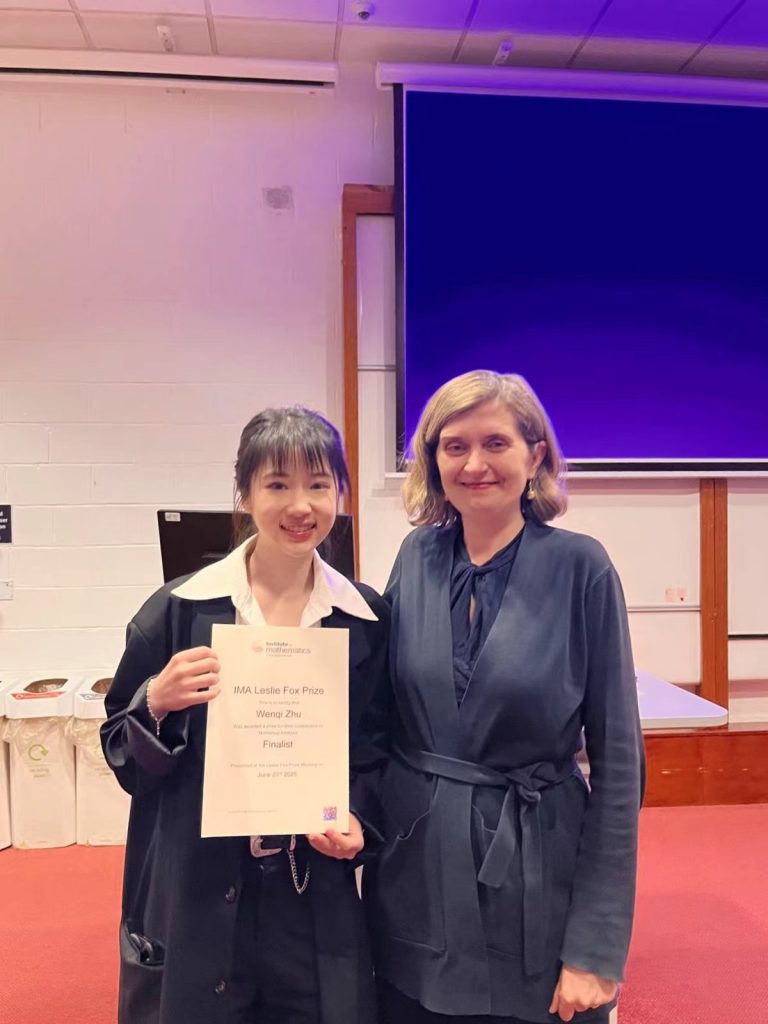
In time, my path in academia gradually smoothed out. And in the last stretch of my PhD, there was one prize I kept thinking about: the Leslie Fox Prize, one of the most prestigious awards for young researchers in numerical analysis, given only once every two years, and only to those under thirty-one. I had noticed it back in my master’s years and longed for it. But I had once left academia for six whole years, wandering through the world of finance; by the time I turned back, that red line of thirty-one was already right in front of me.
It was my last chance before I turned thirty-one. This past June, in Glasgow, when I confirmed that I had truly won that year’s second prize, the first thing I did was look down at my own stomach — I had endured an entire month for this award: a stress-triggered gut condition, sudden weight loss, hair falling out. On the road back to Oxford, a long stretch of evening glow spread across the sky, and the stomach that had been swollen for a month finally began, slowly, to settle. I did not go to any celebration. I simply leaned against the car window and, for the first time, let out a long breath.
In that evening light, I suddenly understood something it took me a long time to feel: in that moment, I thought I would finally never have to prove myself again. For too many years I had been proving something to the world — that I deserved Oxford, that a girl who loves to dress up can also be a real mathematician. But this time, I won it not to answer anyone who had ever doubted me. I won it only for myself.
I also want to use this article to thank my supervisor, Coralia Cartis. The public image of a “female mathematician” is worlds away from who she really is: she wears her golden-brown hair long, and lives elegantly; and at the same time, she is the one most likely to be answering emails at two in the morning, one of the very few female full professors in numerical analysis at Oxford. In some sense, she is who I want to become. Through her own life, she showed me a truth as simple as it is rare: a girl can absolutely live beautifully and still be a top scholar working out equations under a lamp late at night.
4. A mathematician, and her hardest proof
In the final months before graduation, everyone told me I should rest. And yet, right at that moment, the opposite thought rose up in me: now that I’m under no pressure at all, why not go after the hardest, hardest proof of them all?
It was the hardest thing I had done in more than twenty years of mathematics; it had held me up for an entire year. I will never forget those twenty-four hours — I was one last step from the summit, like a pot of water already heated to ninety-nine degrees. And then, it simply came together. But I also want to say something honest to the younger students: for those few days I barely closed my eyes. Looking back today, I know that was not healthy, and I do not recommend it. Back then I understood it as purity; today I know that purity and burning yourself out are sometimes separated by a very thin line.
Hidden in here is the thing I most want to teach you: in mathematics, “feeling that it is right” and “actually closing every last gap” are two completely different things. That year, perhaps ninety-nine percent of the proof was sound — but that remaining one percent was not “almost there.” It was the switch that decided whether the whole paper stood or fell. So when I later spent ten days writing it up, line by line, those ten days were not typesetting. To write it was to verify it, one line at a time.
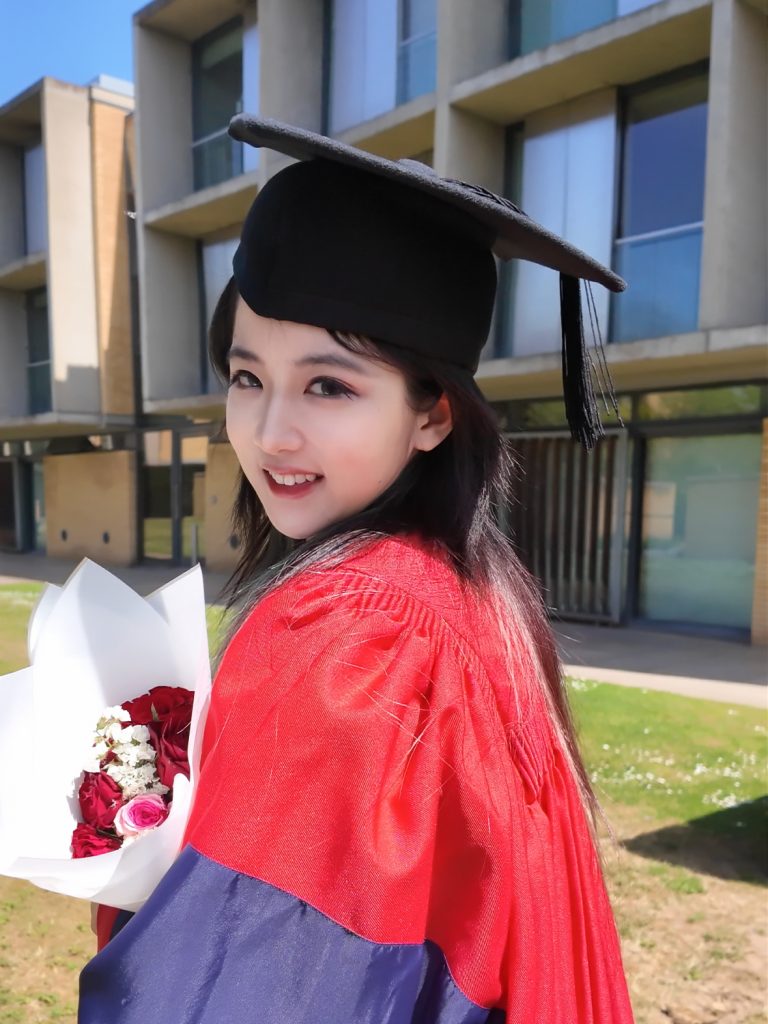
On the day of my viva, two examiners — one who had flown more than ten hours from the United States, one from Russia — shut me alone in a room and questioned me for three full hours. Three hours later, I pushed the door open. Oxford was sitting in the blue hour of a summer evening. One proof had ended; another life, one that did not yet have its problem, was just beginning.
5. And now, I work on AI
Today I am a postdoctoral researcher in artificial intelligence at Oxford, and what I do every day is “Math for AI” — mathematics done for the sake of AI. The theorems and proofs that once sat locked away in an ivory tower have suddenly been lifted out from under their glass and dropped into a scalding, real world — they have started to be useful. Not long ago, a theorem that might have taken me a very long time by hand, an AI helped me push through in a matter of days.
I know many people grow anxious the moment AI is mentioned: will it take my job? My own truest experience is quite different from the frightening predictions. What gets left behind is never “people” — it is the old way of working that refuses to think alongside AI. AI has not replaced me as a mathematician; it has amplified me. It is like an amplifier wired behind my brain, pushing the edge of what I can reach a good distance further out.
So to those of you standing at the crossroads of choosing a field, I want to say: the gap between people, in the future, will most likely no longer come from “who has AI” — because the tool will soon be like water and electricity, available to everyone. The real gap will come from two things:a person’s ability to ask questions, and whether they can think, deeply, alongside AI. The technology changes every year; but these two things, no model can do for you.
6. For family, for country
Writing this far, I want to say what is really on my heart.
These past two years, I have often thought of my parents, and often of this land. I am an only child; my mother and father are still young, yet I have already spent many years chasing my mathematics thousands of kilometres from home. The moment I cleared the hurdle of graduation, a whole string of problems harder than any mathematics was set before me: Should I go back? How am I to take up that responsibility for family, which grows heavier by the day?
What I have come to understand is this: I do still want to come home. In the future I very much want to return to China and continue my work in mathematics. There is already no shortage of talent going home; I may be only one small brick. But I still hope that, with the little mathematics I have learned at Oxford, I can add a contribution of my own to my country’s mathematics. So for family and for country, in the long run, I am going back. Only, for now, please give me a little more time — to make myself a little better first, so that when I return, I will have in my hands one more stone that I have carved with my own two hands.
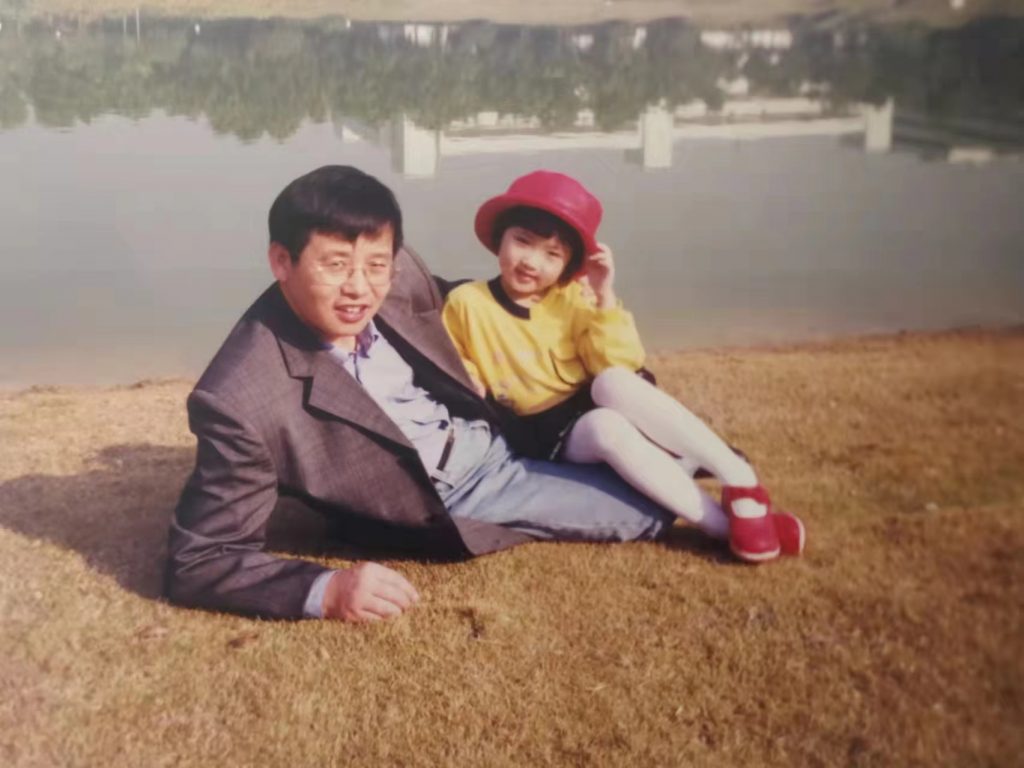

Many years ago, at the end of a proof running more than a dozen pages, my father left a blank space, and said to the ten-year-old me: “The rest — you work out for yourself.” He did not hand me the answer. He left the most important stretch for me to walk on my own.
Writing this today, I still have not finished working out the problem that is my life. But I believe, more and more, that growing up is not about finally arriving at a standard answer. It is about being willing, again and again, to turn back and check your own assumptions.
And if you, too, are a younger student at SCIE, and you are frightened by something vast and cold in front of you, I only want to give you the one line I have believed since I was ten:
Why do we solve problems? Because the problem is there.
As for the rest — we are all still working it out.
- Article / Oxford · Zhu Wenqi (Kate)