As a STEM student, it only seems logical if I were to be a materialist, which to a large extent, I am, but in my case with Chemistry, I cannot help but feel that Chemistry and I were destined for each other.
In secondary, I was more of a humanities student. I remember spending hours immersed in a book about the history of Western philosophy. At that time, if someone asked me about which school of thought I liked most, the answer would most likely be the Milesian school. If they pressed me for a reason, I would probably stammer something about how it began philosophical thinking. Although I now believe in Pythagoras’s belief that numbers are the origin of all things more, I think, in essence, both originate from that quiet subconscious obsession with humanity’s rational pursuit of understanding the world.
When I first moved from GOS to SCIE, I was afraid. Yes, afraid. Even though I had always done well in secondary, I could not help feeling a sense of inadequacy knowing I would be surrounded by top-tier students admitted from all over China. At the tender age of thirteen, I did not realise that from then on – and for the year that followed – this mindset would lead to a complete objectification of myself. I was no longer simply Judy, I became the person defined by how many points I stood from the top ten per cent.
This unhealthy way of thinking influenced my social life in my first year of high school. For nearly a whole year, I resisted meeting new people – even getting to know my roommates took an agonisingly long time. Perhaps my report card from the first semester gave me a sense of security. In the second semester, I slowly began to open up, spending time with my roommates and gradually growing closer to the girls in my classes.
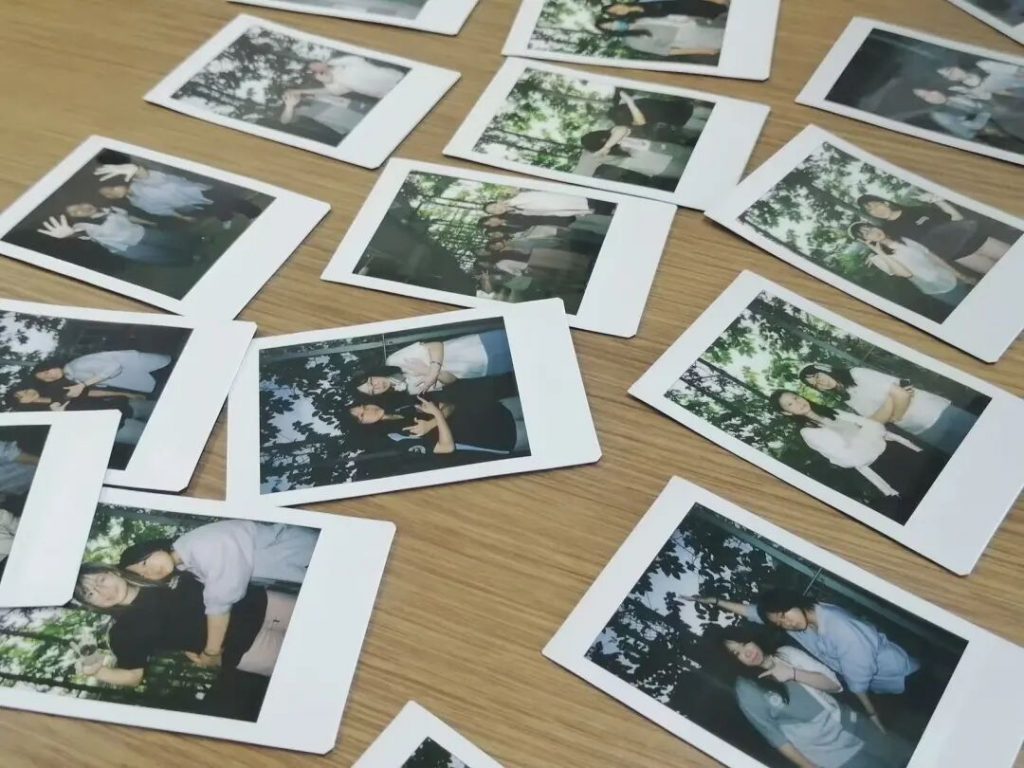
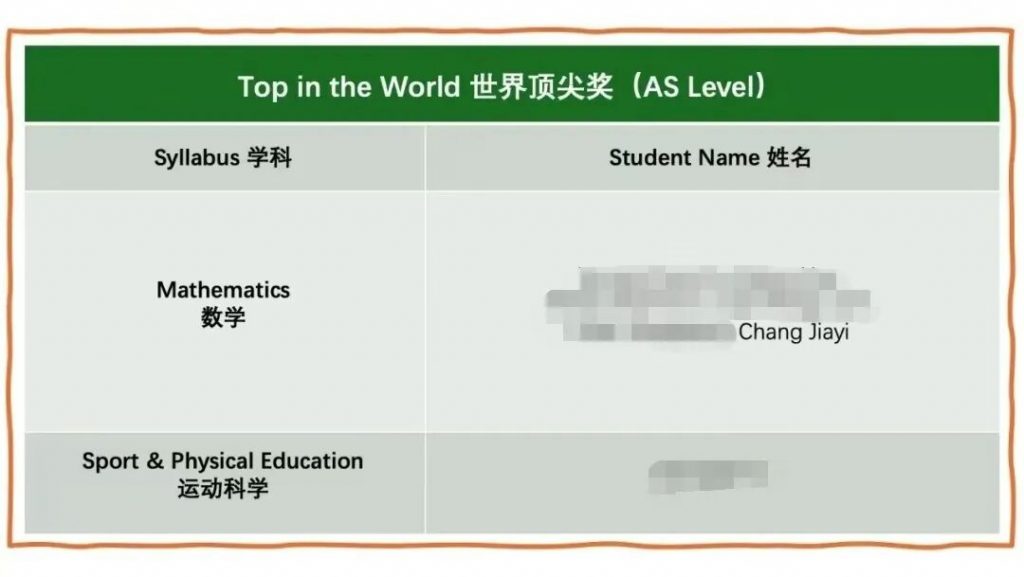
Everything seemed to be getting better, and at the time, I thought so too. But in truth, my mindset had never changed. I was still subconsciously measuring myself against others, still insecure. Arrogance started creeping in – I prided myself on being mature, convinced that I could not possibly be a product of meritocracy, stopping me from realising that I was still the vulnerable child who crashes out when one score goes down 90%. This flawed thinking festered, breeding an unsettling anxiety that finally erupted when I realised that my math exam taken in the end of G2 would be one of my AS scores submitted to universities.
In my first year, I took subjects from humanities, business, and science to figure out what I really wanted to do. I read widely and studied earnestly. Eventually, I realised that even the humanities I had loved in middle school became painful when studied as formal subjects. So, by the end of that year, I decided to pursue science. This made the AS math exam at the end of G2 immensely important; the learning that admission to the further math class in A1 was determined by grade ranking of that exam only intensified my anxiety.
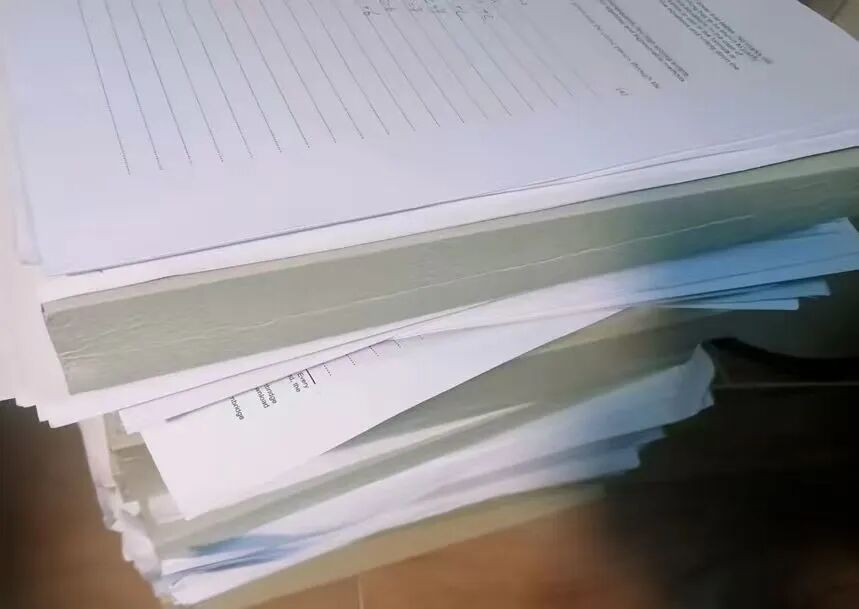
The winter holiday of 2024 was more hellish than its usual holiness. I remember arriving at Starbucks at 8 or 9 am, studying without lunch until four in the afternoon, then cycling to the gym, and finally returning home to work on problems until ten before falling asleep. Many may call this discipline, but looking back, though I am grateful for my diligence, I wish I had never done it. Those days were nothing more than numbing my emotions with so-called discipline, mindlessly grinding through problems only left me with a dread of studying and an unhealthy amount of weight loss.
I do not remember the exact day, but on one of those bike rides home, I happened to be phoning a friend. He said, “You’re already good enough. You should give yourself a break.”
“You don’t know how intelligent the people at my school are. I’m nothing compared to them.” I replied.
“But what does someone else’s excellence have to do with your own?”
I remember being struck speechless. I had never thought of it that way – or rather, I was stunned that such a simple truth had never occurred to me. It was only then that I realised I had never truly evaluated myself as an individual in my own right.
Something changed after that. I still felt immense pressure, and I still felt frustrated when I scored 113 out of 125 on my mock math exam, but anxiety no longer consumed e, nor did I hate working through problems anymore. I was no longer studying because “I want to rank among the top to get into next year’s further math class”; I was studying because I did not want to look back with regret. My goal had finally turned from external validation to internal fulfilment. This shift allowed me to gradually develop my own thoughts as I solved problems – moving from mechanically applying formulas to understanding where they came from and why they worked. Slowly, I fell in love with math.

After choosing to study science, I started studying AS chemistry first, not because I particularly liked it, but because I had found IGCSE chemistry manageable, and, partly out of laziness, I wanted to avoid memorising the hard and lengthy vocabulary in biology. When I came across free radical substitution, I found myself picturing those lively radicals attacking those molecules. Suddenly, I felt as if I was not studying chemistry but watching a group of little children playing pranks to get the adults’ attention. That was probably the first time I found atoms rather endearing.
In the summer of 2024, I was fortunate to intern at a lab, and that was when I truly committed to chemistry. Lab life was, in a way, monotonous – repeating the same tasks day after day, yet it gave me a sense of calm. The unchanging routine, the steady acquisition of new knowledge from both successful and failed experiments, the reading of papers…I think for someone who dislikes risk and unpredictability, that is quite an ideal life. So, yes, chemistry became my choice for two reasons: first, it was the subject I had studied most, and I had developed some interest in it; And second, it was a route to the kind of life I wanted.
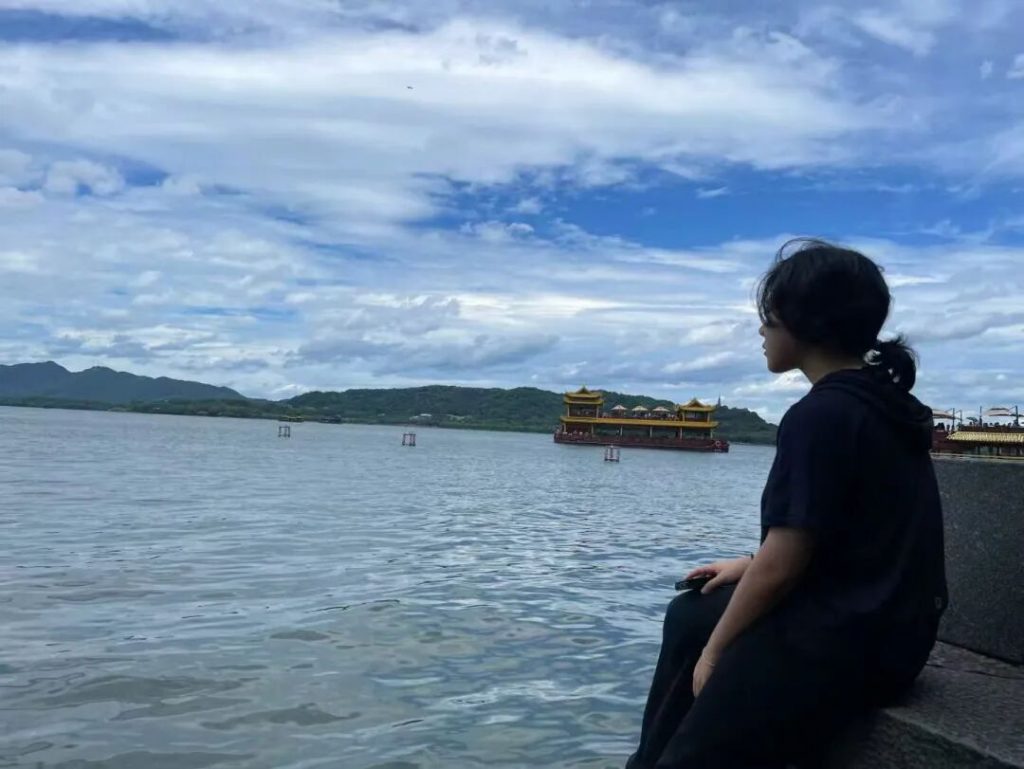
To prepare my personal statement, I began reading chemistry books in the first semester of my A1. In the first chapter of Clayden, there is a line: “We believe it is right to try and understand the world about us as best as we can and to use that creativity.” I remember sitting with that sentence for a long time. In that moment, I felt as if I had returned to my days in secondary, when I first encountered those natural philosophers, those who sought to understand the world through reason, even though more than ninety per cent of it remains beyond science’s grasp. I was especially drawn to the word “right.” And at that moment, chemistry became more than a path to the life I desired – It became a way for me to exercise my right to understand the world.
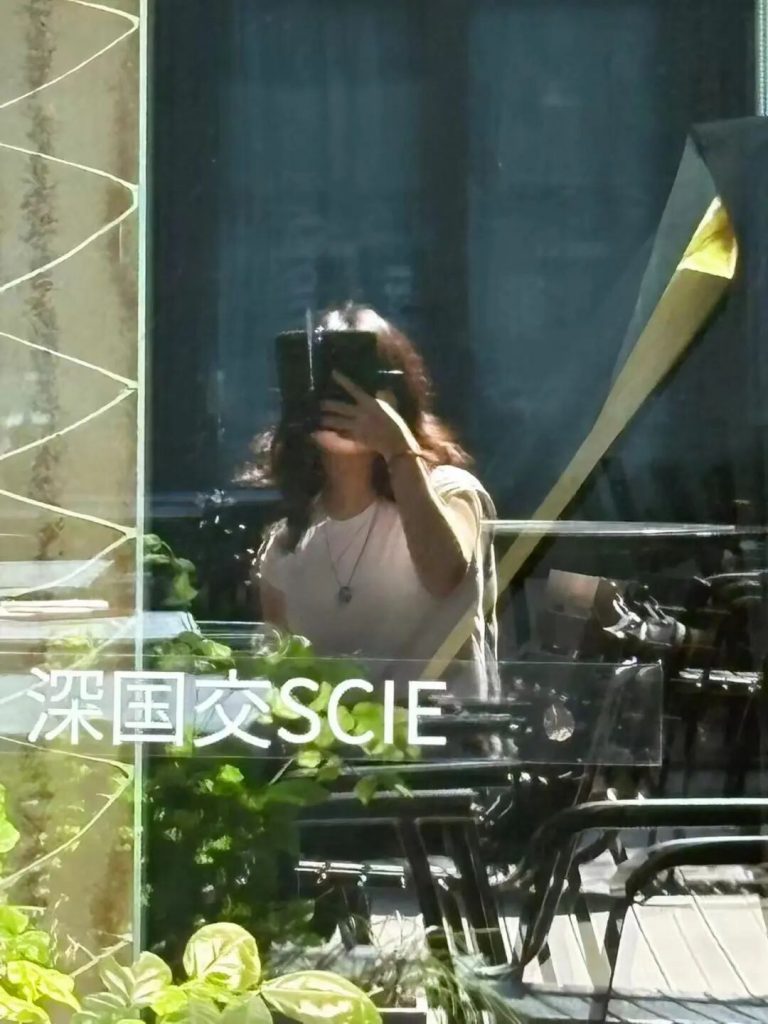
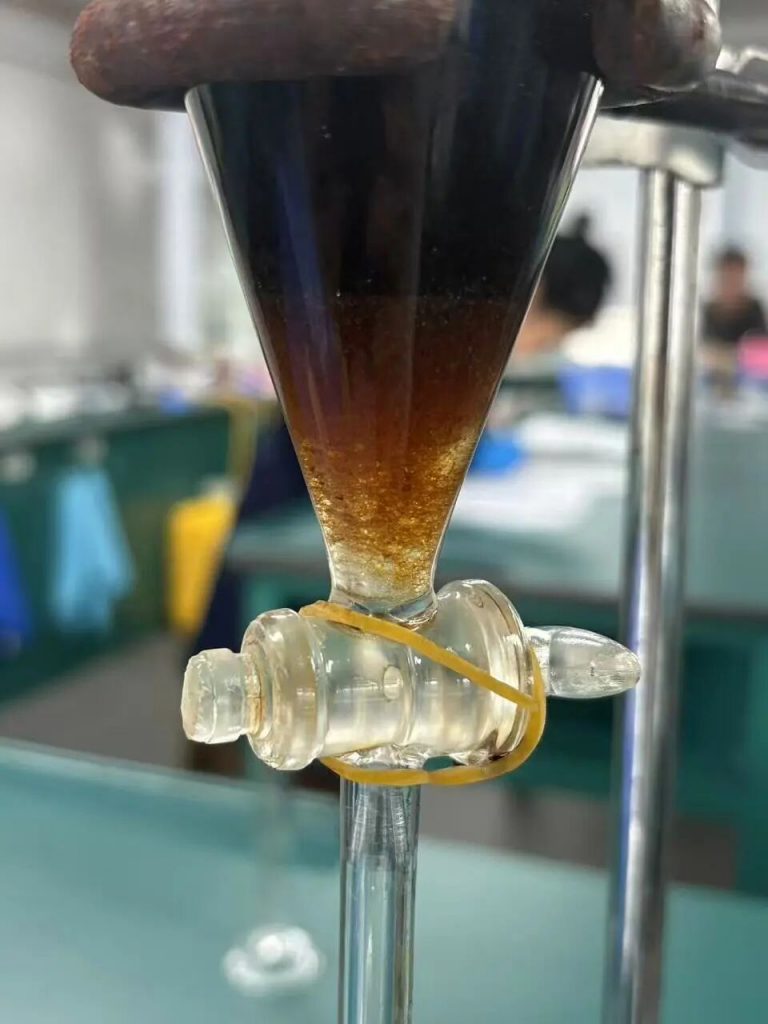
Compared to those who applied to the United States, my application season was relatively easy. For nearly every week in August and September, I would revise my p.s over the weekend and send the latest drafts to my UCO teacher and to seniors that I know who study chemistry to check on Mondays. My UCO teacher helped with the structure, guiding my thoughts during our weekly meetings. The seniors and I would discuss the concepts in my essays, and those talks often led to new ideas and reflections, which would lead to another round of reading and revision the following weekend.
Later on, I received interview invitations from Imperial College and Oxford and went through several mock interviews to prepare. That was a time when I learned huge amounts of knowledge every day, thinking in ways I never had before, grasping concepts that had once seemed impenetrable. I could feel myself growing with each passing day, and joy and accomplishment flooded over me – a feeling that only strengthened my resolve to continue studying chemistry.
At the end of 2025, just before my application season drew to a close, I posted a short reflection on Moments:
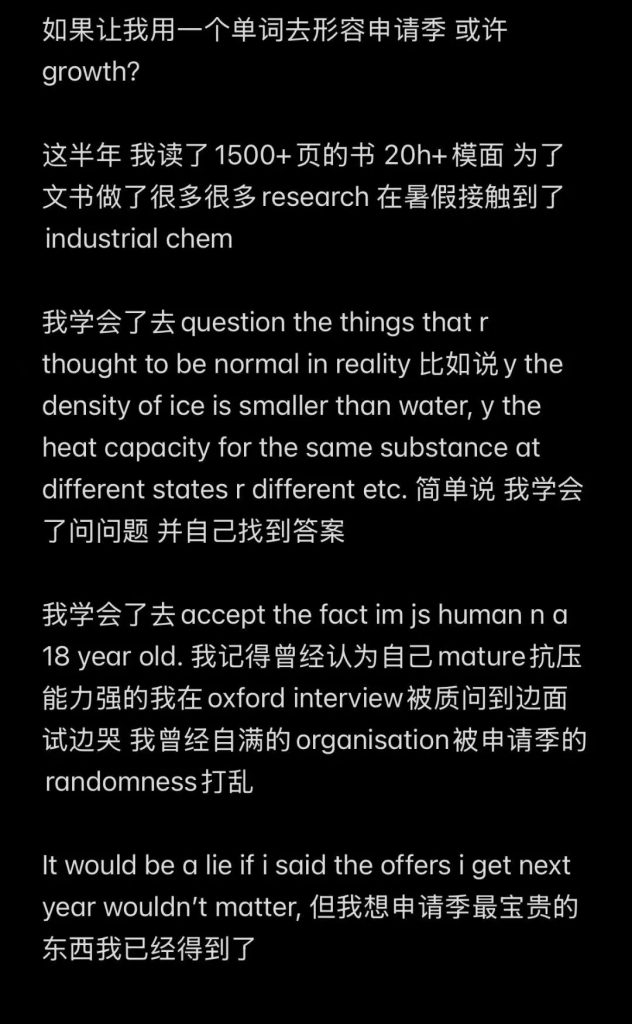
I think I left no regrets in my four years of high school. In G1 and G2, I became myself. In my A-Levels, I became who I needed to be. And now, I am on the path to becoming the person I dreamed of being in middle school – someone who pursues a rational understanding of the essence of this world. I want to exercise my right to understand the world.
- Article / Judy Chang